


In today’s digital age, having efficient startup processes for applications is more crucial than ever. “Revive Your Startup: Top Fixes for Slow-Loading Apps” addresses this need, benefiting anyone frustrated by slow load times, from casual users to tech enthusiasts. Slow-loading apps can hinder productivity, waste time, and create a frustrating user experience. Understanding how to optimize app startup processes can help ensure smoother operations and enhance overall efficiency.
How to Do It
Prerequisites
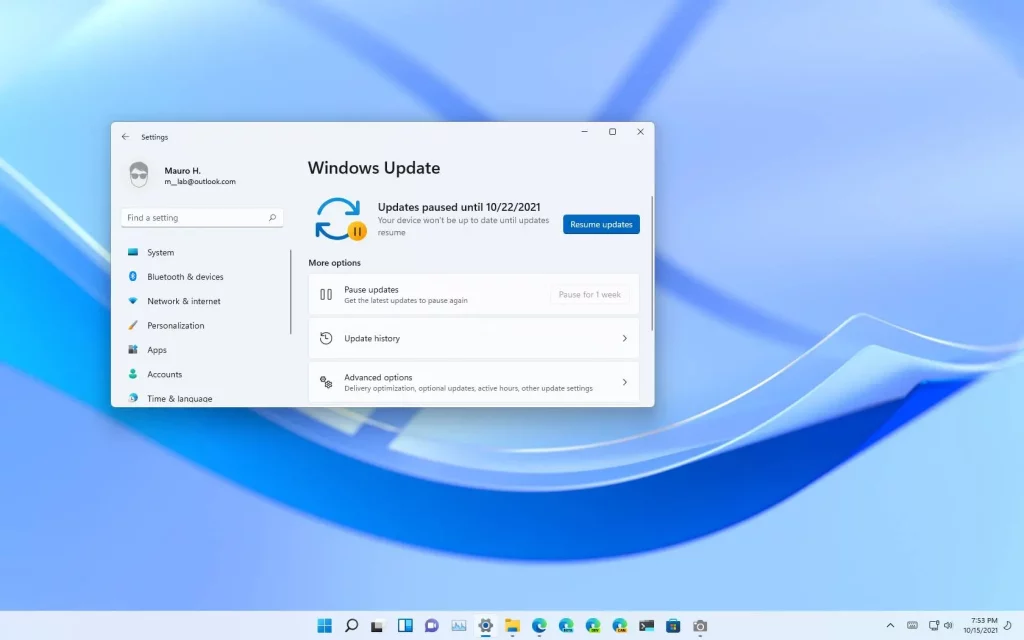
- Ensure your operating system is updated. For Windows users, check for updates via Start → Settings → Update & Security → Windows Update.
- Backup your system settings and data to avoid loss. You can do this by creating a restore point via Start → Control Panel → System and Security → System → System Protection → Create.
Step-by-Step Instructions
-
Disable Startup Apps:
Navigate to Task Manager → Startup tab, identify unnecessary applications, and disable them.Get-Process | Where-Object { $_.Name -eq "AppName" } | Stop-ProcessThis command will terminate a running process, allowing you to stop apps that slow down startup.
Verify it worked: Open Task Manager again to ensure that the app is no longer set to run at startup.
-
Optimize Disk Performance:
Run the Disk Cleanup tool by going to Start → Windows Tools → Disk Cleanup and select files to delete.Cleanmgr /sageset:1This command configures Disk Cleanup settings for further optimization.
Verify it worked: Check your disk space to confirm the cleanup was successful.
-
Check for Malware:
Use Windows Defender to scan for malware by navigating to Start → Settings → Update & Security → Windows Security → Virus & threat protection.Start-MpScan -ScanType FullThis PowerShell command initiates a full scan for malware.
Verify it worked: Review the scan results to ensure no threats are present.
-
Update Drivers:
Keeping drivers updated is essential. Go to Device Manager → Update Drivers to search for updated drivers automatically.Get-WmiObject Win32_PnPSignedDriver | Where-Object { $_.Status -ne "OK" }This command lists drivers that may need attention.
Verify it worked: Check the Device Manager to ensure all drivers are functioning properly.
-
Adjust Visual Effects:
To improve performance, navigate to Start → Settings → System → About → Advanced system settings → Performance Settings. Choose “Adjust for best performance.”Set-ItemProperty -Path "HKCU:\Software\Microsoft\Windows\CurrentVersion\Explorer\Advanced" -Name "VisualFXSetting" -Value 2This PowerShell command sets the visual effects to optimize performance.
Verify it worked: Observe system performance to notice improvements.
-
Reinstall Problematic Apps:
If specific apps are slow, consider reinstalling them. Access the apps via Start → Settings → Apps → Apps & features and select the app to uninstall.Get-AppxPackage "AppName" | Remove-AppxPackageThis command uninstalls the specified app.
Verify it worked: Check if the app functionality has improved post-reinstallation.
Best Practices, Tips & Pitfalls
- Regular Maintenance: Schedule regular checks on your system settings and applications to prevent slow-downs.
- Limit Startup Programs: Only enable essential applications to run at startup to enhance boot time.
- Monitor Performance: Use tools like Task Manager regularly to monitor app performance and resource usage.
- Be Cautious with Uninstalling: Ensure you’re not removing critical system applications that may impact overall performance.
- Regularly Update Software: Keeping all software updated will ensure compatibility and performance improvements.
- Backup Settings: Regularly create system restore points before making significant changes to settings or installations.
Alternatives & Comparisons
When troubleshooting slow-loading apps, considering alternatives can be beneficial. Here are a couple of options to explore:
| Option | Best for | Trade-offs |
|---|---|---|
| SSD Upgrade | Improving load times significantly | Higher cost, installation effort required |
| RAM Upgrade | Better multi-tasking and app performance | Costs and potential compatibility issues |
Key Takeaways
- Disabling unnecessary startup apps can significantly improve boot times.
- Regularly optimizing disk performance and ensuring drivers are updated contributes to a smoother experience.
- Monitoring system performance through Task Manager helps identify issues early.
- Reinstalling slow applications can rectify performance problems.
- Adhering to best practices in system maintenance can prevent future slow-loading issues.
FAQ
What is the most common cause of slow-loading apps?
The most common causes include too many startup applications, insufficient RAM, or malware infections that affect system performance.
How can I check which apps are slowing down my startup?
You can use Task Manager to review the Startup tab, which lists applications and their impact on startup time.
Is it safe to disable startup applications?
Yes, as long as you are careful not to disable critical system applications. Only disable apps you recognize and don’t need immediately at startup.
