

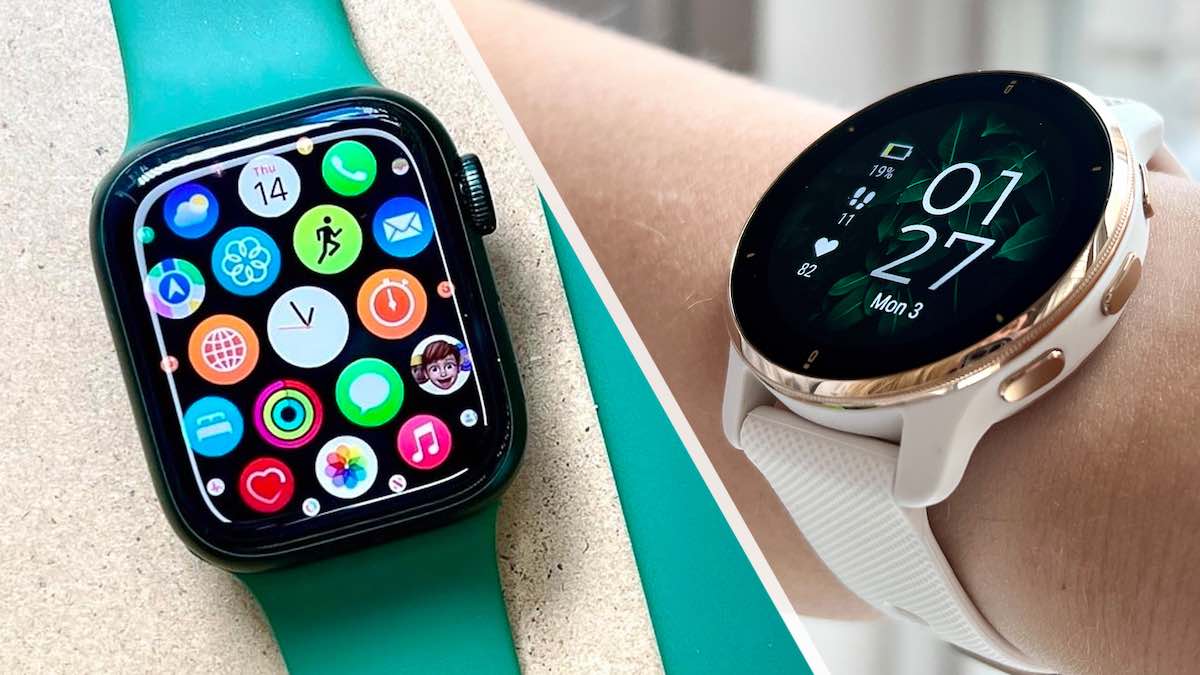

As we venture into 2025, the smartwatch landscape has evolved significantly, with a plethora of options catering to a diverse range of needs and preferences. This article aims to provide a detailed comparison of the top smartwatches available this year, focusing on key aspects such as performance, design, features, and value for money.
1. Introduction
Smartwatches have transitioned from being mere accessories to essential gadgets that integrate seamlessly into our daily lives. With advancements in technology, these devices now offer enhanced functionality, from fitness tracking to smartphone notifications, and increasingly sophisticated health monitoring features. This review evaluates the top contenders in the smartwatch market for 2025, examining their capabilities in real-world scenarios.
2. Key Features to Consider
When evaluating smartwatches, several features should be prioritized:
-
- Performance: Processor speed, battery life, and software efficiency significantly impact usability.
-
- Design: Comfort, style, and display quality play essential roles in user experience.
-
- Health Tracking: Heart rate monitoring, ECG capabilities, sleep tracking, and other health metrics are crucial for fitness enthusiasts.
-
- Compatibility: Ensuring the smartwatch works with your smartphone’s operating system (iOS or Android) is vital.
-
- Apps and Ecosystem: The availability of apps and integration within a broader ecosystem can enhance functionality.
-
- Price: Value for money is crucial, especially given the wide range of prices in the market.
3. Top Smartwatches of 2025
Apple Watch Series 10
Performance
The Apple Watch Series 10 is powered by the latest S10 chip, offering lightning-fast performance and enhanced battery optimization. It promises up to 18 hours of usage with typical use.
Design
With a sleek aluminum or stainless steel casing, the Series 10 boasts a vibrant Retina display with always-on functionality. The new design options include a variety of colors, ensuring a personalized touch.
Features
-
- Advanced health tracking (blood oxygen, ECG)
-
- Seamless integration with the Apple ecosystem
-
- Enhanced fitness tracking capabilities
-
- Extensive app support
Pros and Cons
Pros:
-
- Exceptional performance
-
- Wide range of health and fitness features
-
- Strong ecosystem integration
Cons:
-
- Pricey compared to competitors
-
- Battery life could be better
Samsung Galaxy Watch 6
Performance
The Galaxy Watch 6 uses a new Exynos W920 chipset, delivering impressive speed and performance, with similar battery life to the Series 10.
Design
The watch features a rotating bezel, which enhances navigation, and offers a vibrant Super AMOLED display that provides excellent visibility in various lighting conditions.
Features
-
- Comprehensive health metrics (body composition analysis)
-
- Customizable watch faces
-
- Integration with Samsung SmartThings
Pros and Cons
Pros:
-
- Innovative navigation with a rotating bezel
-
- Strong health tracking features
-
- Good ecosystem integration
Cons:
-
- Some features limited to Samsung devices
-
- Heavier than some competitors
Fitbit Charge 6
Performance
The Charge 6 focuses on fitness tracking, featuring a robust battery life of up to 7 days. It’s powered by a custom chip designed for efficiency.
Design
Sporty yet stylish, the Charge 6 comes in various bands and colors, featuring a bright OLED display suited for outdoor activities.
Features
-
- In-depth fitness tracking (VO2 max, stress management)
-
- Sleep score and analysis
-
- Long battery life
Pros and Cons
Pros:
-
- Excellent for fitness enthusiasts
-
- Affordable price point
-
- Long battery life
Cons:
-
- Fewer smart features compared to rivals
-
- Limited app availability
Garmin Venu 3
Performance
The Venu 3 is designed for serious athletes, featuring advanced GPS capabilities and a battery life of up to 14 days in smartwatch mode.
Design
With a rugged design, the Venu 3 includes a crisp AMOLED display and durable materials for outdoor use.
Features
-
- Advanced tracking for various sports
-
- Health monitoring (sleep, stress, body battery)
-
- Offline music storage
Pros and Cons
Pros:
-
- Exceptional for outdoor and fitness activities
-
- Robust battery life
-
- Comprehensive health metrics
Cons:
-
- Bulkier design may not appeal to everyone
-
- Higher price point for advanced features
Amazfit GTR 4
Performance
The GTR 4 combines affordability with performance, offering a solid battery life of up to 14 days and a smooth user interface powered by Zepp OS.
Design
Lightweight and stylish, the GTR 4 sports a bright AMOLED display and a range of customizable watch faces.
Features
-
- Comprehensive health tracking
-
- Extensive sports modes
-
- Good app ecosystem
Pros and Cons
Pros:
-
- Excellent value for money
-
- Good battery life
-
- Lightweight design
Cons:
-
- Some features less refined than competitors
-
- Limited third-party app support
4. Comparative Analysis
Performance Comparison
| Model | Processor | Battery Life | Performance Rating |
|---|---|---|---|
| Apple Watch Series 10 | S10 Chip | 18 hours | ★★★★★ |
| Galaxy Watch 6 | Exynos W920 | 18 hours | ★★★★☆ |
| Fitbit Charge 6 | Custom Chip | 7 days | ★★★★ |
| Garmin Venu 3 | Custom Chip | 14 days | ★★★★★ |
| Amazfit GTR 4 | Zepp OS | 14 days | ★★★★☆ |
Design Comparison
| Model | Weight | Display Type | Design Rating |
|---|---|---|---|
| Apple Watch Series 10 | 32 grams | Retina OLED | ★★★★★ |
| Galaxy Watch 6 | 45 grams | Super AMOLED | ★★★★☆ |
| Fitbit Charge 6 | 32 grams | OLED | ★★★★ |
| Garmin Venu 3 | 49 grams | AMOLED | ★★★★ |
| Amazfit GTR 4 | 34 grams | AMOLED | ★★★★☆ |
Health Feature Comparison
| Model | Heart Rate Monitor | ECG | Sleep Tracking | Body Composition |
|---|---|---|---|---|
| Apple Watch Series 10 | Yes | Yes | Yes | No |
| Galaxy Watch 6 | Yes | Yes | Yes | Yes |
| Fitbit Charge 6 | Yes | No | Yes | No |
| Garmin Venu 3 | Yes | No | Yes | Yes |
| Amazfit GTR 4 | Yes | No | Yes | No |
5. User Experiences and Expert Opinions
Apple Watch Series 10
Users rave about the seamless integration with iOS, making it an indispensable tool for iPhone users. The health tracking features are often cited as the best in the market, providing timely insights into health metrics. However, some users have expressed concerns about battery life, especially when using GPS features extensively.
Samsung Galaxy Watch 6
Experts appreciate the rotating bezel feature, which enhances navigation and usability. Users find the watch’s design appealing, and many appreciate the body composition feature for fitness tracking. However, some have noted that the watch may feel bulky over long periods.
Fitbit Charge 6
Fitness enthusiasts love the Charge 6 for its dedicated health features and long battery life. Many users commend its affordability, making it accessible for a broader audience. Nevertheless, those seeking advanced smartwatch features may find it lacking.
Garmin Venu 3
Athletes frequently endorse the Venu 3 for its robustness and extensive tracking capabilities. Users appreciate the offline music storage, which enhances long workout sessions. The bulkier design, however, is a common point of contention.
Amazfit GTR 4
Users appreciate the GTR 4’s balance between features and price. Many have commended its battery life and lightweight design, making it a solid daily wear option. However, some may find the interface less intuitive compared to more established brands.
6. Real-World Usage Scenarios
Daily Commuting
For those commuting daily, the Apple Watch Series 10 shines with its notifications and seamless integration with iOS. The Galaxy Watch 6 is also a strong contender, especially with its customizable watch faces and health features.
Fitness Tracking
The Garmin Venu 3 leads in fitness tracking scenarios, providing advanced metrics for various sports and activities. The Fitbit Charge 6 is excellent for those focused strictly on fitness, while the Apple Watch offers a good balance of fitness and smart features.
Outdoor Activities
For outdoor enthusiasts, the Garmin Venu 3’s robust GPS capabilities and long battery life make it ideal. The Amazfit GTR 4 also caters to this demographic with its lightweight design and extensive sports modes.
Casual Use
For casual users who prioritize style and basic smartwatch functionality, the Apple Watch Series 10 and Samsung Galaxy Watch 6 provide excellent options, balancing aesthetics and performance.
7. Value for Money
When considering value for money, it’s essential to weigh the features against the price:
-
- Apple Watch Series 10: A premium option at around $799, justified by its extensive features and ecosystem.
-
- Samsung Galaxy Watch 6: Priced at approximately $399, it offers excellent features for Samsung users.
-
- Fitbit Charge 6: At around $149, it provides excellent fitness tracking at an accessible price.
-
- Garmin Venu 3: Priced at $499, it’s targeted at athletes looking for comprehensive fitness features.
-
- Amazfit GTR 4: At about $199, it stands out for its balance of features and affordability.
Conclusion on Value
The Fitbit Charge 6 offers the best value for fitness-focused users, while the Apple Watch Series 10 is worth the investment for those deeply embedded in the Apple ecosystem. For Samsung users, the Galaxy Watch 6 offers excellent features at a competitive price. The Garmin Venu 3 is ideal for serious athletes, while the Amazfit GTR 4 provides a budget-friendly alternative without sacrificing too many features.
8. Conclusion
As we conclude our comprehensive review of smartwatches for 2025, it becomes clear that there is no one-size-fits-all solution. Each smartwatch reviewed has its strengths and weaknesses, catering to different user needs and preferences.
-
- The Apple Watch Series 10 remains the gold standard for its performance and ecosystem integration.
-
- The Samsung Galaxy Watch 6 is a top choice for Samsung users, offering innovative features and excellent health tracking.
-
- The Fitbit Charge 6 provides unbeatable value for fitness enthusiasts on a budget.
-
- The Garmin Venu 3 is tailored for athletes, delivering advanced metrics and long battery life.
-
- The Amazfit GTR 4, while less refined, offers an impressive array of features at an appealing price point.
Ultimately, the best smartwatch for you will depend on your specific requirements—be it fitness tracking, smartphone integration, design preferences, or budget constraints.
