- Table of Contents
- 1. Introduction to Capture Cards
- 2. Gaming Hardware Landscape
- 3. Emerging Gaming Technologies
- 4. Performance Optimization
- 5. Game Streaming Platforms and Equipment
- 6. The Esports and Competitive Gaming Scene
- 7. Building Your Gaming Rig
- 8. Tips for PC and Console Gaming Enthusiasts
- 9. Conclusion
As of 2025, the gaming landscape has evolved dramatically, driven by advancements in hardware, technology, and streaming culture. Capture cards have emerged as essential tools for gamers, enabling high-quality content creation and seamless streaming. This article will explore capture cards in-depth, along with related topics in gaming hardware, emerging technologies, performance optimization, and the growing impact of esports.
Table of Contents
- Introduction to Capture Cards
- Gaming Hardware Landscape
- 2.1 PCs
- 2.2 Consoles
- 2.3 Laptops
- 2.4 Monitors
- 2.5 Keyboards and Mice
- 2.6 Headsets
- Emerging Gaming Technologies
- 3.1 Ray Tracing
- 3.2 Deep Learning Super Sampling (DLSS)
- 3.3 Virtual Reality (VR)
- 3.4 Cloud Gaming
- Performance Optimization
- 4.1 Achieving Higher FPS
- 4.2 Overclocking Techniques
- 4.3 Effective Cooling Solutions
- Game Streaming Platforms and Equipment
- 5.1 Overview of Capture Cards
- 5.2 Stream Decks and Other Equipment
- The Esports and Competitive Gaming Scene
- Building Your Gaming Rig
- 7.1 Budget Builds
- 7.2 High-End Builds
- Tips for PC and Console Gaming Enthusiasts
- Conclusion
1. Introduction to Capture Cards
Capture cards have become integral to the gaming experience, especially for content creators and streamers. These devices allow users to capture video and audio from gaming consoles or PCs and stream or record that content in real time. The growth of platforms like Twitch and YouTube Gaming has amplified the importance of high-quality streams, and capture cards have adapted accordingly.
In 2025, capture cards offer 4K recording capabilities, low latency, and support for various streaming platforms. They come in two main types: internal and external. Internal cards are installed directly into a PC, while external cards connect via USB. Both have their advantages and cater to different needs, whether for portability or performance.
2. Gaming Hardware Landscape
2.1 PCs
In 2025, gaming PCs are more powerful than ever, featuring cutting-edge CPUs and GPUs that can handle advanced gaming technologies. Intel’s 14th generation processors and AMD’s Ryzen 8000 series CPUs have set new benchmarks, supporting high frame rates and multitasking capabilities essential for streaming.
Example Build: A typical mid-range gaming PC may feature:
- CPU: AMD Ryzen 7 7700X
- GPU: NVIDIA GeForce RTX 4070
- RAM: 32GB DDR5
- Storage: 1TB NVMe SSD
This setup is ideal for both gaming and streaming, ensuring smooth performance.
2.2 Consoles
The latest consoles, including the PS5 Pro and Xbox Series X2, have made significant improvements in graphical fidelity and performance. With built-in support for 4K gaming, ray tracing, and high refresh rates, these consoles are perfect for gamers looking to stream their gameplay effortlessly.
Case Study: A popular Twitch streamer who transitioned from PC to console found that the PS5 Pro’s integrated capture functionality allowed for seamless streaming with minimal additional hardware requirements.
2.3 Laptops
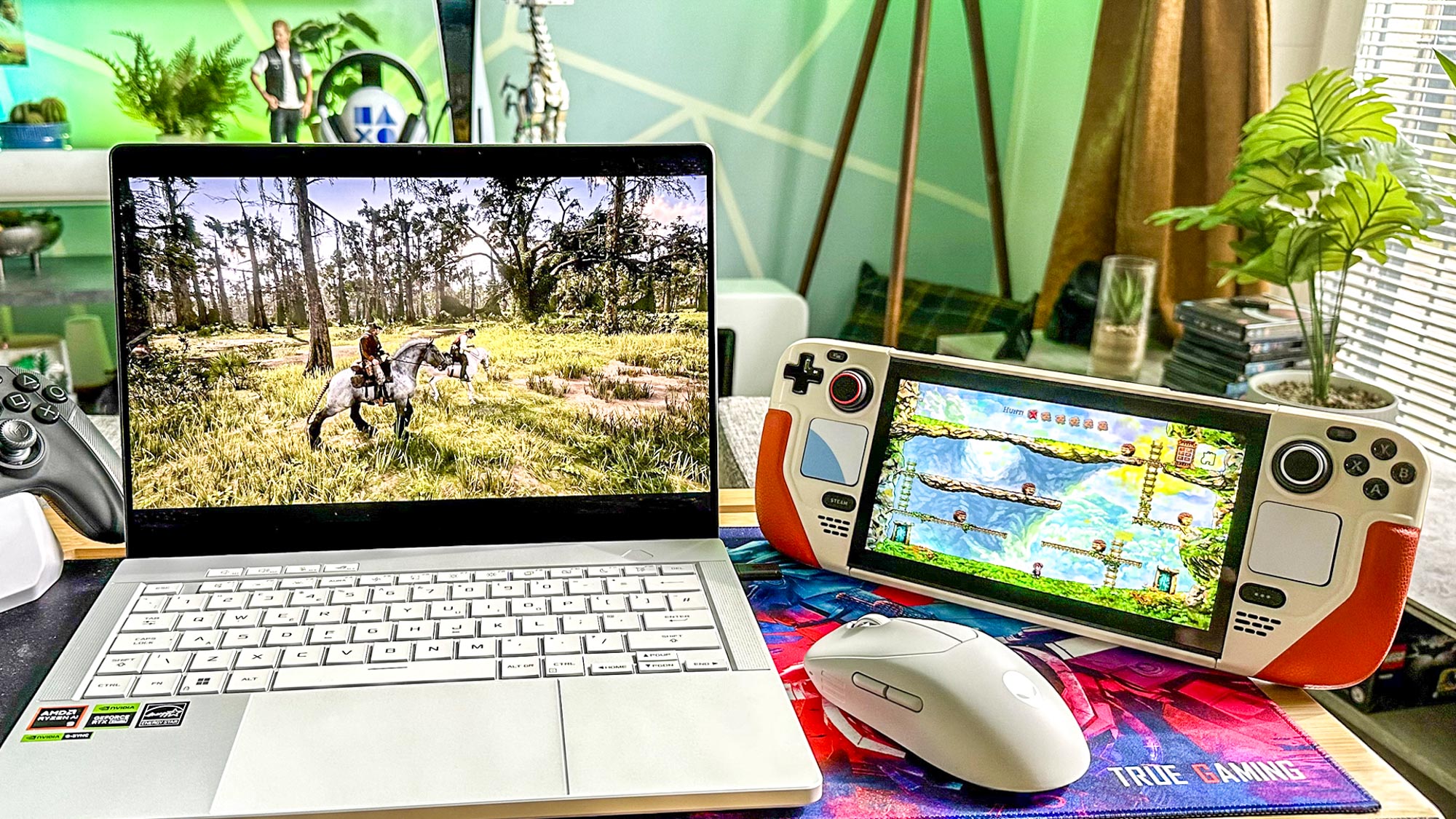
Gaming laptops have also evolved, with powerful models that now rival desktops. Laptops like the ASUS ROG Zephyrus and Razer Blade 15 feature high refresh rate displays and the latest RTX GPUs, making them suitable for both gaming and streaming on the go.
2.4 Monitors
High-refresh-rate monitors are essential for competitive gaming. Monitors with refresh rates of 240Hz or even 360Hz are commonplace, providing smoother gameplay and reducing motion blur.
Expert Insight: “For competitive gamers, a 360Hz monitor can provide a significant edge, especially in fast-paced games like FPS titles,” says gaming hardware expert Sarah Kim.
2.5 Keyboards and Mice
Mechanical keyboards and high-DPI gaming mice continue to dominate the market. Features like customizable RGB lighting, programmable keys, and ergonomic designs enhance the gaming experience.
2.6 Headsets
Gaming headsets have seen improvements in audio fidelity and comfort. Brands like HyperX and SteelSeries offer headsets with surround sound capabilities and noise cancellation, allowing gamers to immerse themselves fully in their gaming worlds.
3. Emerging Gaming Technologies
3.1 Ray Tracing
Ray tracing has become a standard feature in AAA games, offering realistic lighting and shadows. This technology demands powerful hardware, making it essential for gamers to invest in high-end GPUs to experience its full benefits.
3.2 Deep Learning Super Sampling (DLSS)
DLSS has revolutionized gaming performance, allowing players to achieve higher frame rates without sacrificing visual quality. By leveraging AI, DLSS upscales lower-resolution images to look like higher-resolution ones, making it a game-changer for streamers who want quality without compromising performance.
3.3 Virtual Reality (VR)
VR continues to gain traction, with advancements in headset technology making VR gaming more accessible. Titles like “Half-Life: Alyx” and “Beat Saber” have shown that immersive experiences can enhance gameplay, leading to a growing interest in VR streaming.
3.4 Cloud Gaming
Cloud gaming services like NVIDIA GeForce NOW and Xbox Cloud Gaming have made it possible to play high-quality games on less powerful hardware. This technology opens up new avenues for gamers without high-end PCs, broadening the streaming audience.
4. Performance Optimization
4.1 Achieving Higher FPS
To achieve higher frames per second (FPS), gamers should consider optimizing their game settings, ensuring their hardware is up to date, and employing tools like MSI Afterburner to monitor performance.
Step-by-Step Guide:
- Lower In-Game Settings: Set textures and shadows to medium or low.
- Update Drivers: Regularly update graphics drivers for optimal performance.
- Close Background Applications: Free up resources before launching games.
4.2 Overclocking Techniques
Overclocking can provide noticeable performance boosts. However, it requires careful management to avoid overheating.
Example:
- CPU Overclocking: Use BIOS settings to increase the CPU’s base clock frequency while monitoring temperatures with tools like HWMonitor.
- GPU Overclocking: Use software like MSI Afterburner to adjust clock speeds and memory.
4.3 Effective Cooling Solutions
Maintaining a cool system is vital for performance. Liquid cooling solutions and high-quality air coolers can effectively manage heat, especially during intensive gaming or streaming sessions.
5. Game Streaming Platforms and Equipment
5.1 Overview of Capture Cards
Capture cards are indispensable for streamers looking to produce high-quality content. Popular models in 2025 include:
- Elgato HD60 X: Supports 4K60 HDR10 capture and ultra-low latency.
- AVerMedia Live Gamer 4K: Excellent for those seeking high-quality streaming with additional features like a built-in streaming software.
5.2 Stream Decks and Other Equipment
The Elgato Stream Deck has become a standard for streamers, allowing for easy scene switching, media control, and integration with various software.
Step-by-Step Setup:
- Install the Stream Deck software.
- Connect the Stream Deck to your PC.
- Customize buttons for quick access to scenes, media, and overlays.
6. The Esports and Competitive Gaming Scene
Esports has exploded in popularity, with tournaments offering multi-million dollar prize pools. Games like “League of Legends,” “Dota 2,” and “Valorant” dominate the scene.
Case Study: A professional eSports team transitioned to using high-quality capture cards for live streaming their practice sessions, which not only improved their content quality but also engaged their fanbase more deeply.
7. Building Your Gaming Rig
7.1 Budget Builds
For gamers on a budget, building a gaming rig that balances performance and cost is essential. A budget build should ideally include:
- CPU: AMD Ryzen 5 5600G
- GPU: NVIDIA GTX 1660 Super
- RAM: 16GB DDR4
- Storage: 500GB SSD
7.2 High-End Builds
High-end builds can push the boundaries of gaming performance. Consider the following components:
- CPU: Intel Core i9-13900K
- GPU: NVIDIA GeForce RTX 4090
- RAM: 64GB DDR5
- Storage: 2TB NVMe SSD
8. Tips for PC and Console Gaming Enthusiasts
- Stay Updated: Regularly check for software updates for your games and hardware.
- Invest in Quality Accessories: Don’t underestimate the impact of a high-quality mouse, keyboard, or headset on your gaming experience.
- Join Gaming Communities: Engage with online forums and communities to share experiences, strategies, and tips.
- Experiment with Settings: Don’t hesitate to tweak in-game settings to find what works best for you.
9. Conclusion
In 2025, the gaming environment continues to thrive, propelled by technological advancements and a burgeoning community of gamers and streamers. Capture cards play a vital role in enhancing the gaming experience, enabling high-quality streaming and content creation. Whether you’re a casual player or a competitive gamer, understanding the hardware, technologies, and best practices can significantly enhance your gaming experience.
As the landscape continues to evolve, staying informed and adapting to new trends will ensure that every gamer can optimize their setup for the best possible performance and enjoyment.