- 1. Understanding Gaming Hardware
- 1.1 Gaming PCs
- 1.2 Gaming Consoles
- 1.3 Gaming Laptops
- 1.4 Accessories: Monitors, Keyboards, Mice, and Headsets
- 2. Gaming Technologies
- 3. Performance Optimization
- 4. Game Streaming Platforms and Equipment
- 5. Esports and Competitive Gaming
- 6. Budget and High-End Builds
- 7. Tips for PC and Console Gaming Enthusiasts
- Conclusion
As the gaming landscape continues to evolve, so do the expectations of gamers regarding performance, aesthetics, and cooling solutions. With cutting-edge technologies like ray tracing, DLSS, and VR gaining traction, maintaining optimal temperatures in gaming setups has become essential. This comprehensive guide will explore gaming hardware, technologies, performance optimization, game streaming, competitive gaming scenes, budget and high-end builds, and tips to ensure your gaming rig remains cool and efficient.
1. Understanding Gaming Hardware
1.1 Gaming PCs
Key Components:
- CPU: Modern gaming CPUs, such as AMD Ryzen 7000 series and Intel Core i9-14000 series, generate significant heat. Effective cooling solutions are crucial for maximizing performance.
- GPU: High-performance GPUs like NVIDIA RTX 8000 and AMD RDNA 3 produce substantial heat, especially under heavy loads. Advanced cooling solutions are necessary for these components.
- Motherboard: Ensure your motherboard has adequate thermal management features and sufficient fan headers for additional cooling.
1.2 Gaming Consoles
Gaming consoles such as the PlayStation 6 and Xbox Series Z are designed with proprietary cooling systems, yet they can still benefit from better ventilation in enclosed spaces.
Case Study:
Sony improved the cooling system in the PlayStation 6 with a larger heat sink and increased fan efficiency, allowing for better thermal management compared to its predecessor.
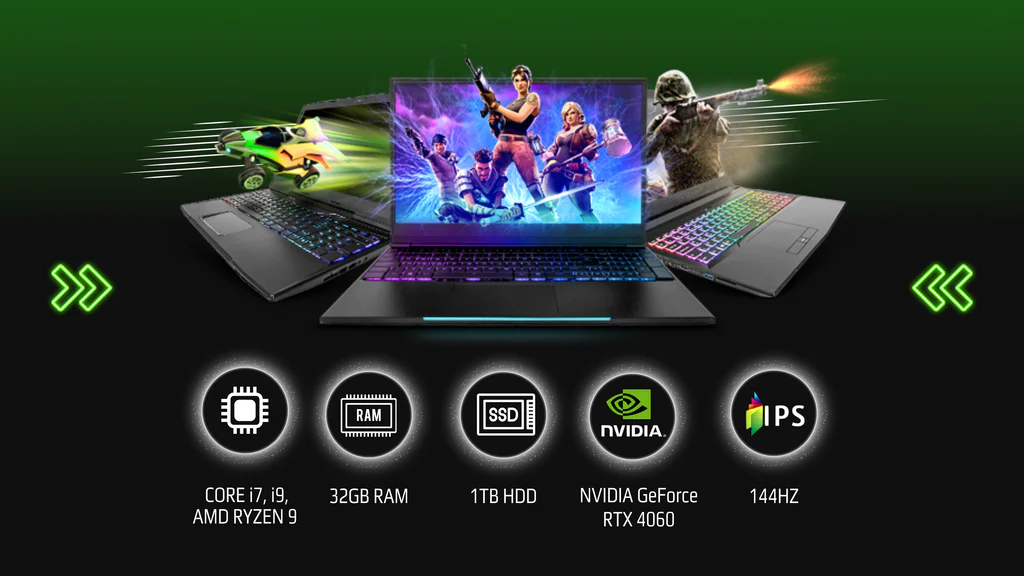
1.3 Gaming Laptops
Laptops like the Razer Blade 17 and ASUS ROG Zephyrus G14 have compact designs that make cooling a challenge.
Expert Insight:
Utilizing a cooling pad can significantly enhance airflow and decrease surface temperatures, improving performance during extended gaming sessions.
1.4 Accessories: Monitors, Keyboards, Mice, and Headsets
While these components don’t directly impact cooling, their selection can influence overall system performance. High-refresh-rate monitors (144Hz and above) can create a bottleneck if paired with insufficient hardware.
2. Gaming Technologies
2.1 Ray Tracing and DLSS
Ray tracing requires substantial GPU power, leading to increased heat output. NVIDIA’s DLSS technology helps mitigate this by enhancing performance without sacrificing quality.
Performance Optimization:
Utilizing DLSS can allow gamers to maintain high FPS while keeping GPU temperatures lower, making cooling less of a concern.
2.2 Virtual Reality (VR)
VR systems generate significant heat due to the demand for high FPS and low latency. Dedicated cooling solutions for VR setups can improve comfort during long sessions.
2.3 Cloud Gaming
Cloud gaming platforms like NVIDIA GeForce NOW or Xbox Cloud Gaming reduce the need for high-end hardware locally, thus minimizing the cooling requirements for gamers who primarily use these services.
3. Performance Optimization
3.1 FPS Increases
Overclocking:
Overclocking CPU and GPU can lead to substantial FPS increases but also generates more heat. Ensure your cooling solution can handle the increased thermal output.
Step-by-Step Overclocking Guide:
- Research your hardware capabilities.
- Download necessary software: Use tools like MSI Afterburner for GPUs and Prime95 for CPUs.
- Gradually increase clock speeds: Test stability and temperatures at each step.
- Monitor thermals: Ensure temperatures remain within safe limits (generally below 85°C).
- Stress test: Run benchmarks to confirm stability.
3.2 Advanced Cooling Techniques
3.2.1 Air Cooling
Air cooling remains popular due to its reliability and lower cost. High-quality air coolers like the Noctua NH-D15 or Cooler Master Hyper 212 series can effectively dissipate heat from both the CPU and GPU.
- Installation Tips:
- Ensure a proper thermal paste application.
- Position fans for optimal airflow direction.
3.2.2 Liquid Cooling
Liquid cooling systems offer superior thermal management. All-in-one (AIO) units like the Corsair H100i or custom loops provide excellent cooling performance.
- Installation Steps:
- Choose a compatible AIO cooler.
- Install the radiator: Ensure proper placement within the case.
- Connect the pump and fans: Follow the manufacturer’s guidelines for electrical connections.
- Test for leaks: Run the system without powering the PC to ensure no leaks are present.
Case Study:
Gamers using liquid cooling systems have reported temperature drops of up to 30% compared to stock cooling solutions, allowing for more aggressive overclocking.
3.2.3 Hybrid Cooling Solutions
Combining air and liquid cooling can yield excellent results. For instance, the ASUS ROG Strix LC series offers a hybrid solution that cools both CPU and GPU effectively.
3.3 Environmental Considerations
- Room Temperature: The cooling efficiency is significantly influenced by the ambient temperature. Keeping your gaming area well-ventilated can enhance performance.
- Cable Management: Organizing cables can improve airflow within the case, reducing hotspots.
4. Game Streaming Platforms and Equipment
4.1 Capture Cards
Capture cards like the Elgato HD60 S+ or AVerMedia Live Gamer series are essential for streamers. However, they too generate heat, necessitating careful placement and airflow management.
4.2 Stream Decks
Devices such as the Elgato Stream Deck help streamline streaming processes but can add to the clutter. Make sure they are placed so as not to obstruct airflow to the PC.
5. Esports and Competitive Gaming
5.1 The Competitive Scene
Esports organizations rely on high-performance setups that include optimized cooling solutions to prevent thermal throttling during competitions.
Expert Insight:
Top teams often invest in custom-built systems with advanced cooling to ensure consistent performance throughout tournaments.
5.2 Equipment Choices
Choosing the right peripherals can directly impact your competitive edge. High-BPM mice and keyboards with quick response times can enhance gameplay.
6. Budget and High-End Builds
6.1 Budget Builds
Creating a budget-friendly gaming PC with effective cooling solutions is possible.
Example Build:
- CPU: AMD Ryzen 5 5600X
- GPU: NVIDIA GTX 1660 Super
- Cooling: Cooler Master Hyper 212 (air cooler)
- Motherboard: MSI B550M PRO-VDH
- Case: NZXT H510 (with good airflow)
6.2 High-End Builds
For enthusiasts willing to invest, high-end systems can include top-tier components and elaborate cooling solutions.
Example Build:
- CPU: Intel Core i9-14900K
- GPU: NVIDIA RTX 8000
- Cooling: Corsair H150i Elite (liquid cooler)
- Motherboard: ASUS ROG Maximus Z790 Hero
- Case: Lian Li PC-O11 Dynamic (excellent airflow)
7. Tips for PC and Console Gaming Enthusiasts
7.1 General Maintenance
- Dust Management: Regularly clean your PC to prevent dust buildup, which can restrict airflow and cause overheating.
- Thermal Paste Replacement: Consider replacing thermal paste every few years to ensure optimal heat transfer.
7.2 Monitoring Tools
Use monitoring software like HWMonitor or MSI Afterburner to keep track of temperatures and performance metrics. Set alerts for critical temperature thresholds.
7.3 Community Engagement
Participating in forums and communities such as Reddit’s r/buildapc or gaming subreddits can provide valuable insights into cooling solutions and optimization techniques.
7.4 Future-Proofing
When building or upgrading, consider future technologies, such as new cooling solutions or innovative materials that enhance thermal management.
Conclusion
As gaming technology advances, so does the importance of efficient cooling solutions. By understanding your hardware, optimizing performance, and investing in the right cooling techniques, you can ensure that your gaming setup is ready for the demands of the future. Whether you’re a casual gamer or a competitive esports participant, maintaining optimal temperatures will enhance your gaming experience, prolong the life of your components, and ultimately lead to better performance.