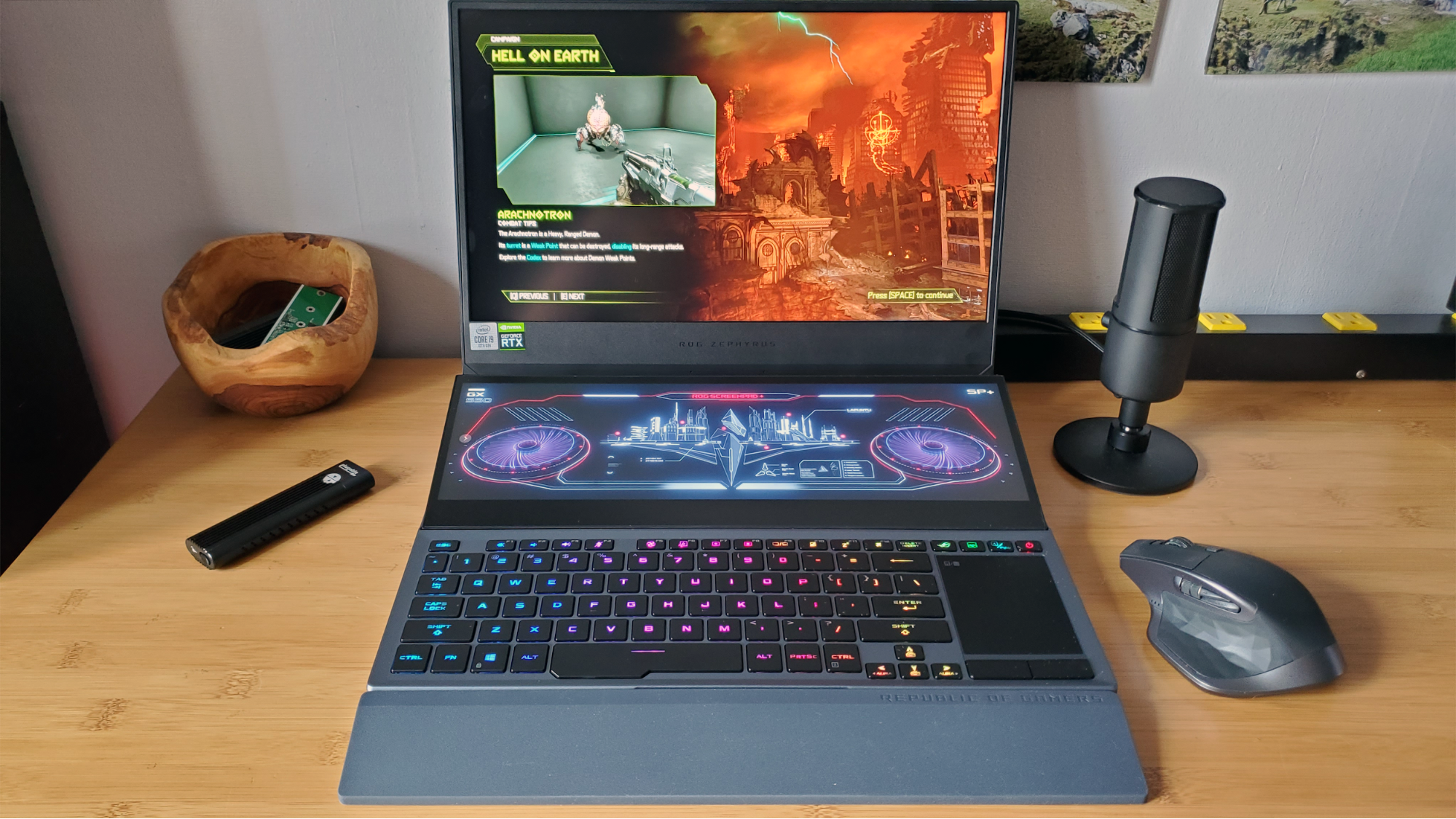
As we step into 2025, the gaming landscape has evolved dramatically, reflecting technological advancements and changing consumer demands. The gaming laptop segment, in particular, has seen significant innovations that blend performance, portability, and immersive experiences like never before. In this article, we will delve into various aspects of gaming laptops and their associated technologies, performance optimization techniques, and the evolving ecosystem of gaming, including esports and streaming.
1. The State of Gaming Hardware in 2025
1.1 Gaming Laptops
Key Components
Gaming laptops in 2025 come equipped with cutting-edge hardware. Key components include:
- CPUs: The latest Intel i9 and AMD Ryzen 9 processors, featuring multiple cores and threads for multitasking and gaming performance.
- GPUs: NVIDIA’s RTX 50 series and AMD’s Radeon RX 8000 series have set the bar for graphics performance, supporting advanced features like ray tracing and AI-driven enhancements.
- RAM: High-speed DDR5 RAM, with configurations typically ranging from 16GB to 64GB, ensuring seamless multitasking.
- Storage: NVMe SSDs have become standard, with capacities up to 8TB, drastically reducing load times and improving responsiveness.
Form Factor and Design
The design of gaming laptops has also evolved, prioritizing lightweight materials and sleek aesthetics without compromising cooling solutions. Manufacturers like Razer, Asus, and Alienware have introduced laptops that combine portability with high performance, some weighing as little as 3.5 pounds.
1.2 Consoles
While gaming laptops are powerful, consoles like the PlayStation 6 and Xbox Series Z have remained competitive. Both consoles feature custom GPUs, solid-state drives, and support for 8K gaming, making them appealing for budget-conscious gamers.
1.3 Monitors
The monitor landscape includes high-refresh-rate displays that offer 240Hz and 360Hz refresh rates with adaptive sync technologies. Features such as OLED screens and HDR have become standard for providing stunning visuals.
1.4 Peripherals
- Keyboards: Mechanical keyboards with customizable RGB lighting and programmable keys continue to dominate, with brands like Corsair and Razer leading the way.
- Mice: Gaming mice now feature adjustable DPI settings and ergonomic designs, with brands like Logitech and SteelSeries offering options tailored for different gaming styles.
- Headsets: Wireless headsets with surround sound capabilities provide immersive audio experiences, with brands like HyperX and SteelSeries emphasizing comfort and sound quality.
2. Gaming Technologies: Enhancing the Experience
2.1 Ray Tracing and DLSS
Ray tracing has transformed the way games are rendered, providing realistic lighting, shadows, and reflections. NVIDIA’s DLSS (Deep Learning Super Sampling) technology leverages AI to boost frame rates without sacrificing visual fidelity, making it a must-have for gamers in 2025.
2.2 Virtual Reality (VR) and Augmented Reality (AR)
VR technology has become more accessible, with lightweight headsets offering a range of experiences from gaming to educational applications. AR has also gained traction, with games like “Pokémon GO 2” blending real-world environments with digital elements.
2.3 Cloud Gaming
Services like NVIDIA GeForce NOW and Xbox Cloud Gaming have made it possible to play high-end games on lower-spec hardware. This shift has democratized gaming, allowing players to access a library of titles without investing in expensive hardware.
3. Performance Optimization Techniques
3.1 FPS Increases
Optimizing frames per second (FPS) is crucial for a smooth gaming experience. Here are several methods:
- Game Settings: Adjusting resolution and graphical settings can significantly impact FPS. Lowering post-processing effects and shadows can yield better performance.
- Overclocking: Enthusiasts can push CPUs and GPUs beyond factory settings for extra performance. Tools like MSI Afterburner help in safely managing overclocking settings.
- Cooling Solutions: Implementing better cooling—whether through external cooling pads or optimized internal cooling systems—can prevent thermal throttling and improve performance.
3.2 Case Studies
For instance, a case study on the ASUS ROG Zephyrus G15 illustrates that by configuring optimal settings, players can achieve up to a 30% increase in FPS in demanding titles like “Cyberpunk 2077.”
4. Game Streaming Platforms and Equipment
4.1 Capture Cards and Stream Decks
Streaming has become an integral part of gaming culture. Capture cards (e.g., Elgato HD60 S+) enable gamers to broadcast their gameplay in high quality. Stream decks allow for quick access to commands, enhancing the streaming experience.
4.2 Streaming Platforms
Platforms like Twitch, YouTube Gaming, and Facebook Gaming offer streamlined interfaces for streaming and audience interaction. The integration of interactive features has transformed how gamers engage with their viewers.
5. The Rise of Esports and Competitive Gaming
5.1 Esports Tournaments
Esports has exploded in popularity, with tournaments offering multi-million dollar prize pools. Games like “Valorant,” “Dota 2,” and “League of Legends” dominate the scene. In 2025, global esports revenues are projected to surpass $1.5 billion.
5.2 Training and Analysis
Professional gamers now utilize software for performance analysis, helping them refine their skills and strategies. Platforms like Aim Lab provide training modules that enhance shooting accuracy and reaction times.
6. Building Your Setup: Budget vs High-End
6.1 Budget Builds
For those looking to game on a budget, a mid-range gaming laptop priced around $1,200 can still offer respectable performance, particularly with games optimized for lower-end hardware.
Example Build:
- CPU: AMD Ryzen 5 5600H
- GPU: NVIDIA GTX 1650
- RAM: 16GB DDR4
- Storage: 512GB NVMe SSD
6.2 High-End Builds
For enthusiasts, high-end gaming laptops can exceed $3,000, providing unparalleled performance and features.
Example Build:
- CPU: Intel i9-13900K
- GPU: NVIDIA RTX 5090
- RAM: 64GB DDR5
- Storage: 2TB NVMe SSD
7. Tips for Gaming Enthusiasts
7.1 PC Gaming Tips
- Regular Maintenance: Keep hardware clean and update drivers regularly to ensure optimal performance.
- Monitor Temperatures: Use software to monitor CPU/GPU temperatures, preventing overheating.
- Join Communities: Engage with online forums and communities for tips and troubleshooting.
7.2 Console Gaming Tips
- Optimize Settings: Explore console settings for performance enhancements, such as resolution and display options.
- Invest in a Good Monitor: A high-refresh-rate monitor can provide a noticeable improvement in gameplay responsiveness.
7.3 Gaming Etiquette
- Respect other players in online games.
- Avoid toxic behavior; remember that gaming is meant to be enjoyable.
Conclusion
The gaming landscape in 2025 is a blend of advanced technology, competitive gaming, and community-driven experiences. As gaming laptops continue to evolve, they remain a central part of this ecosystem, offering players the power and portability they need to enjoy their favorite titles. Whether you are a casual gamer or a competitive esports athlete, embracing these trends and technologies will ensure that you remain at the forefront of the gaming revolution.
As we look to the future, it’s clear that the possibilities within the gaming domain are limitless, and the journey has only just begun.