


Connecting Your Streaming Device to Wi-Fi: A Comprehensive Guide for 2025
- Connecting Your Streaming Device to Wi-Fi: A Comprehensive Guide for 2025
- 1. Understanding Streaming Services
- 2. Streaming Devices
- 3. Streaming Formats and Features
- 4. Subscription Pricing and Plans
- 5. Watching Offline and Managing Data
- 6. Improving Streaming Quality
- 7. Step-by-Step Instructions for Setting Up Streaming Devices
- 8. Addressing VPNs and Geo-Restrictions
- 9. Parental Controls and Family Sharing
- 10. Privacy and Security
- 11. Creating Watchlists and Finding New Releases
- 12. Expert Insights and Tips
- Conclusion
Streaming has evolved into one of the most popular forms of entertainment in recent years. With platforms like Netflix, Disney+, HBO Max, Amazon Prime Video, Apple TV+, and Hulu, viewers have unprecedented access to movies, series, and documentaries. This guide will explore everything you need to know about connecting your streaming device to Wi-Fi, optimizing your streaming experience, and navigating the latest features and offerings in the streaming domain for 2025.
1. Understanding Streaming Services
1.1 Overview of Major Streaming Platforms
-
Netflix: Known for its original programming, Netflix continues to lead in subscriber numbers, offering a vast library of films, series, and documentaries. In 2025, Netflix introduced a new tier allowing users to watch in 8K HDR, enhancing viewing experiences.
-
Disney+: With its extensive catalog of Disney classics and new original content from Marvel, Star Wars, and Pixar, Disney+ has attracted a massive audience. Subscription prices have remained competitive, often bundled with Hulu and ESPN+.
-
HBO Max: Renamed simply “Max,” this platform combines HBO’s premium content with additional offerings. In 2025, it added features like personalized recommendations based on viewing habits.
-
Amazon Prime Video: Part of the Amazon Prime subscription, Prime Video boasts a wide array of movies and series, including exclusive shows. Amazon has continued to innovate with features like X-Ray for real-time information about what you’re watching.
-
Apple TV+: With a focus on original content, Apple TV+ provides high-quality programming. Apple offers a free trial period, and users can share subscriptions with family members through Family Sharing.
-
Hulu: Balancing original content with current TV shows, Hulu remains a favorite for many. Its live TV option caters to those wishing to cut the cord while still enjoying live channels.
2. Streaming Devices
In 2025, various devices facilitate streaming, offering unique features and capabilities.
2.1 Smart TVs
Most smart TVs come with built-in streaming apps and support for 4K, HDR, and Dolby Atmos audio. Major brands include:
- Samsung: Known for their QLED models with top-tier image quality.
- LG: Offers OLED screens with stunning color accuracy.
- Sony: Provides high-quality processing for immersive viewing.
2.2 Streaming Sticks
- Amazon Fire Stick: Highly popular for its Alexa integration and vast app library.
- Roku: Known for its user-friendly interface and extensive channel offerings.
- Google Chromecast: Allows users to cast from their devices directly to the TV.
2.3 Mobile Apps
Most streaming services offer mobile applications, allowing users to watch on the go. They also provide features like offline viewing, which is beneficial for managing data usage.
3. Streaming Formats and Features
3.1 Video Quality
- 4K Ultra HD: Offers four times the resolution of 1080p, providing an exceptionally sharp image.
- HDR (High Dynamic Range): Enhances color and contrast, making images appear more lifelike.
- Dolby Atmos: Provides an immersive audio experience that adds depth to sound.
4. Subscription Pricing and Plans
4.1 Current Pricing Trends
- Netflix: Plans range from $9.99 (Basic) to $19.99 (Premium with 8K).
- Disney+: Standard pricing at $7.99 or $79.99 annually.
- Max: Offers plans starting at $15.99 for ad-free streaming.
- Amazon Prime Video: Included with the Amazon Prime subscription for $14.99 monthly.
- Apple TV+: Priced at $9.99 per month with a free trial available.
- Hulu: Starts at $7.99 for ad-supported streaming and $11.99 for ad-free.
4.2 Deals and Free Trials
Most streaming services offer limited-time deals and free trials, making it easier to explore content before committing to a subscription. Bundles (like the Disney+ and Hulu combo) also provide value.
5. Watching Offline and Managing Data
5.1 Offline Viewing
Most apps allow users to download content for offline viewing. This feature is particularly useful for travelers or those with limited data plans. Here’s how to do it on major platforms:
- Netflix: Tap the download icon next to the title.
- Disney+: Click on the download button to store content.
5.2 Managing Data Usage
Streaming consumes a significant amount of data, especially at higher resolutions. Most services allow you to adjust video quality in settings:
- Netflix: Go to Account > Playback Settings.
- Disney+: Settings > Video Quality.
6. Improving Streaming Quality
To optimize your viewing experience, consider the following:
- Wi-Fi Upgrade: Ensure you’re using a high-speed internet connection (at least 25 Mbps for 4K streaming).
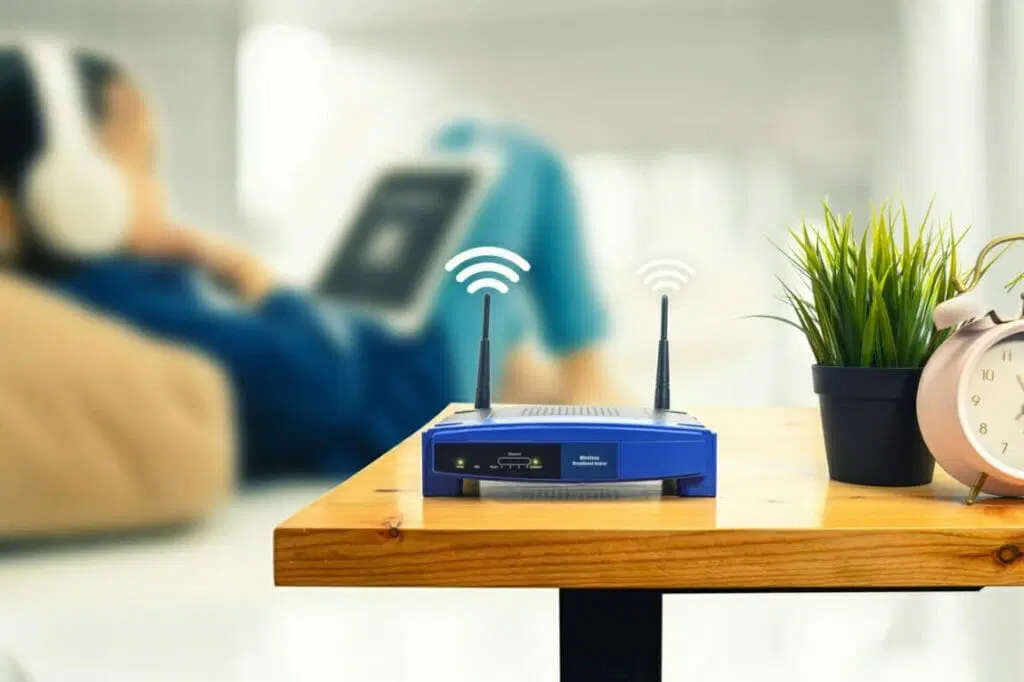
- Router Placement: Place your router centrally to reduce dead zones.
- Use Ethernet: For the best performance, connect your device via an ethernet cable.
7. Step-by-Step Instructions for Setting Up Streaming Devices
7.1 Amazon Fire Stick
- Connect to TV: Plug the Fire Stick into an HDMI port.
- Power On: Connect the power adapter to the Fire Stick and plug it into an outlet.
- Select HDMI Input: Use your TV remote to select the HDMI input.
- Connect to Wi-Fi: Follow the on-screen instructions to choose your Wi-Fi network and enter the password.
- Sign In: Log into your Amazon account or create one.
Troubleshooting:
- If the Fire Stick doesn’t connect, restart your router and ensure Wi-Fi is working on other devices.
7.2 Roku
- Connect to TV: Insert the Roku device into an HDMI port.
- Power On: Connect to power.
- Select HDMI Input: Use your TV remote to choose the appropriate HDMI input.
- Connect to Wi-Fi: Follow the setup prompts to connect to Wi-Fi.
- Sign In: Use your Roku account or create one.
Troubleshooting:
- If you encounter issues, try resetting the Roku device by pressing the reset button.
7.3 Chromecast
- Connect to TV: Plug the Chromecast into an HDMI port and connect to power.
- Set Up Device: Use the Google Home app to find your Chromecast.
- Connect to Wi-Fi: Follow the app instructions to connect to Wi-Fi.
- Cast Content: Use your mobile device to cast content to the TV.
Troubleshooting:
- Ensure your mobile device is on the same Wi-Fi network; restart both devices if necessary.
7.4 Apple TV
- Connect to TV: Plug the Apple TV into an HDMI port.
- Power On: Connect to a power source.
- Select HDMI Input: Choose the appropriate input on your TV.
- Connect to Wi-Fi: Use the remote to navigate to Settings > Network.
- Sign In: Log in with your Apple ID.
Troubleshooting:
- If you face connection issues, restart your router and Apple TV.
7.5 Smart TVs
- Turn On TV: Power on your smart TV.
- Connect to Internet: Go to Settings > Network > Wi-Fi and select your network.
- Install Apps: Navigate to the app store to download your preferred streaming services.
- Sign In: Use your account credentials to log in.
Troubleshooting:
- If apps aren’t loading correctly, try resetting the TV or updating its software.
8. Addressing VPNs and Geo-Restrictions
VPNs (Virtual Private Networks) can be a valuable tool for bypassing geo-restrictions on streaming content. They allow users to connect to servers in different countries, giving access to content that may not be available in their region. Important considerations include:
- Choosing a VPN: Opt for reputable services known for streaming.
- Legal Considerations: Be aware of the legal implications of using a VPN in your country.
- Impact on Speed: High-quality VPNs minimize speed drops, crucial for streaming.
9. Parental Controls and Family Sharing
Most streaming services offer parental controls to manage what content children can access. Features include:
- Profile Management: Create separate profiles for family members, enabling tailored recommendations.
- Viewing Restrictions: Set maturity ratings and restrict content based on age.
10. Privacy and Security
Privacy and security should be a priority when streaming. Here are some best practices:
- Secure Your Wi-Fi: Use strong passwords and WPA3 encryption.
- Monitor Accounts: Regularly review account activity to spot unauthorized access.
- Be Cautious with Apps: Only download apps from trusted sources.
11. Creating Watchlists and Finding New Releases
Each platform offers unique features for managing content:
- Watchlists: Use the “My List” feature on Netflix or similar options on other services to keep track of shows you want to watch.
- Notifications: Enable alerts for new episodes or series based on your interests.
- Explore Genres: Take advantage of genre filters to discover new content.
12. Expert Insights and Tips
Real-World Examples:
- Many users find success using device-specific forums for troubleshooting.
- Following social media accounts of streaming platforms can provide sneak peeks into upcoming releases.
Conclusion
Streaming devices have transformed how we consume media, and understanding how to connect and optimize them for your Wi-Fi is essential for an enjoyable viewing experience. By following the steps outlined in this guide and staying informed about the latest trends in streaming services, formats, and features, you can ensure that your entertainment experience in 2025 is seamless and enjoyable. Whether you’re watching the latest Netflix original, catching up on Disney+ favorites, or exploring new titles on Hulu, a well-optimized setup will enhance your viewing pleasure.
