

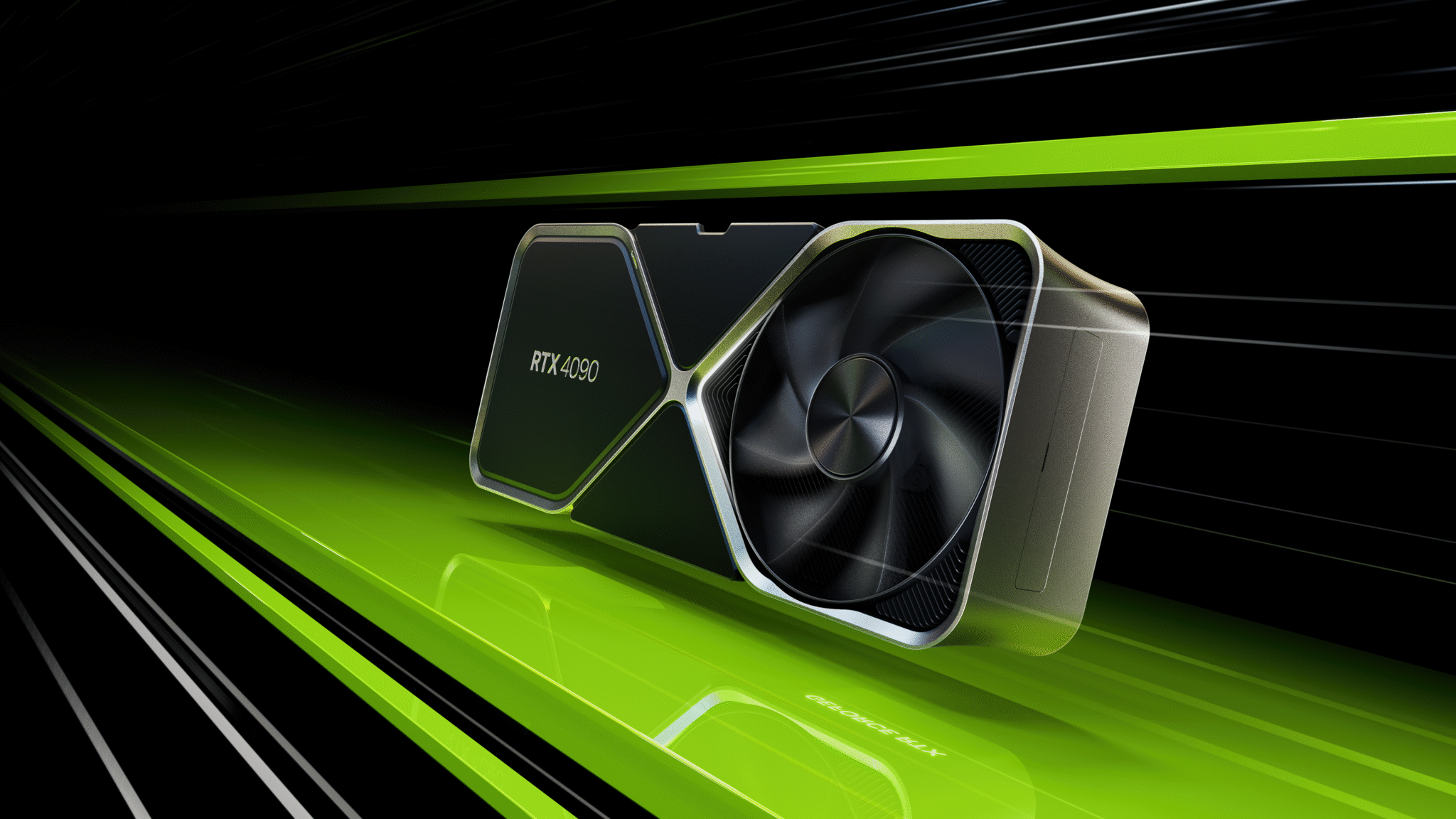

As we step into 2025, the PC hardware landscape continues to evolve, driven by advancements in technology, user demands, and the ever-growing gaming and productivity markets. This review will delve into the most notable components that define this year’s best offerings, including CPUs, GPUs, motherboards, RAM, storage solutions, and peripherals. Our aim is to provide a holistic view of the current market, evaluating performance, design, features, and overall value.
1. Central Processing Units (CPUs)
1.1 Intel’s 14th Generation Core Processors
Performance:
Intel’s 14th generation, codenamed “Meteor Lake,” has made significant strides in multi-core performance, particularly with its hybrid architecture that includes Performance and Efficiency cores. Benchmark tests show a 20% increase in single-thread performance compared to its predecessor. This makes it a robust choice for gamers and content creators alike.
Design:
Meteor Lake features a new chiplet design, minimizing latency and enhancing efficiency. The integrated graphics have also seen improvements, with support for DirectX 12 Ultimate and ray tracing capabilities.
Features:
- PCIe 5.0 support
- Enhanced AI capabilities with integrated neural processing units (NPU)
- Improved thermal control mechanisms
Pros:
- Excellent single-thread performance
- Great for multitasking due to hybrid architecture
- Strong integrated graphics
Cons:
- Still relatively high power consumption compared to AMD
- Price point may be steep for budget-conscious buyers
Comparison:
When compared to AMD’s Ryzen 8000 series, Intel has the edge in single-threaded tasks, while AMD’s offerings excel in multi-threaded scenarios, particularly in rendering jobs.
1.2 AMD Ryzen 8000 Series
Performance:
The Ryzen 8000 series, built on a 3D V-Cache architecture, has revolutionized the way multi-core performance is perceived in the desktop space. Performance benchmarks highlight a significant leap in productivity applications, making it a favorite among professionals.
Design:
This generation maintains the AM5 socket, ensuring compatibility with previous motherboards and allowing for easy upgrades. The 3D V-Cache also significantly boosts gaming performance.
Features:
- PCIe 5.0 and DDR5 memory support
- Advanced power efficiency features
- Enhanced security features integrated within the silicon
Pros:
- Outstanding multi-core performance
- Competitive pricing
- Excellent for gaming and productivity
Cons:
- Often lags in single-threaded performance
- Integrated graphics are not as powerful as Intel’s offerings
Comparison:
While Intel leads in single-threaded tasks, AMD wins in multi-threaded applications and overall power efficiency, making it ideal for content creators.
2. Graphics Processing Units (GPUs)
2.1 NVIDIA GeForce RTX 50 Series
Performance:
NVIDIA’s RTX 50 series has set new benchmarks in gaming performance. With support for DLSS 3 and Frame Generation technology, users can expect smooth gameplay even at higher resolutions. Performance metrics show a staggering 30% improvement over the RTX 40 series, particularly in ray tracing scenarios.
Design:
The design is sleek, featuring a robust cooling solution that maintains low temperatures even under heavy loads. The new architecture integrates AI features directly into the GPU, enhancing gaming realism.
Features:
- Ray tracing and AI-enhanced graphics
- Support for 8K gaming
- Enhanced power efficiency with new manufacturing techniques
Pros:
- Exceptional gaming performance
- Excellent cooling solutions
- Future-proofing with support for the latest technologies
Cons:
- Premium pricing
- Availability issues in certain regions
Comparison:
Against AMD’s Radeon RX 8000 series, NVIDIA excels in ray tracing performance and AI capabilities, while AMD holds its ground in traditional rasterization performance and value for money.
2.2 AMD Radeon RX 8000 Series
Performance:
AMD’s RX 8000 series brings competitive performance, particularly in traditional rasterization. Gaming benchmarks show that while it trails NVIDIA in ray tracing, it offers excellent performance in titles that prioritize raw rendering power.
Design:
The new RDNA 3.0 architecture allows for a more efficient design, optimizing power consumption while delivering high frame rates at 1440p and 4K resolutions.
Features:
- Advanced Memory Compression (AMC)
- Support for PCIe 5.0
- Optimization for VR gaming
Pros:
- Strong performance at a lower price point
- Excellent power efficiency
- Good for high-refresh-rate gaming
Cons:
- Ray tracing performance is less competitive
- Software support and driver optimization can be inconsistent
Comparison:
AMD offers better value for those who prioritize traditional gaming performance without the need for ray tracing, while NVIDIA remains the go-to for enthusiasts seeking cutting-edge graphics capabilities.
3. Motherboards
3.1 Intel Z790 and AMD X670 Chipsets
Performance:
Both the Z790 and X670 chipsets have optimized performance for their respective CPUs, enabling overclocking and advanced power management features. Benchmark tests show minimal differences in performance, with both platforms supporting high-speed memory.
Design:
Both motherboards feature robust designs with ample I/O options, including USB 4.0 and multiple M.2 slots for NVMe drives. They offer customizable RGB lighting, appealing to gamers who prioritize aesthetics.
Features:
- Support for PCIe 5.0
- Advanced thermal solutions with heat sinks and active cooling
- High-quality audio components
Pros:
- Great build quality and aesthetics
- Extensive connectivity options
- Robust power delivery for overclocking
Cons:
- Pricey premium models
- Can be overkill for budget builds
Comparison:
While Z790 boards may offer better features for Intel users, X670 boards provide more value for AMD enthusiasts, particularly in the mid-range segment.
4. Memory (RAM)
4.1 DDR5 Memory
Performance:
DDR5 RAM has become the standard, offering significantly improved bandwidth and lower latency compared to DDR4. Benchmarks reveal up to 50% improvement in memory-intensive applications, making it ideal for gaming and content creation.
Design:
The aesthetic design of RAM modules has also evolved, with RGB lighting becoming a standard feature. Modules are now designed to dissipate heat efficiently, ensuring stable performance during heavy loads.
Features:
- High speeds (up to 6400 MT/s and beyond)
- Enhanced power efficiency with lower voltage requirements
- Compatibility with both Intel and AMD platforms
Pros:
- Future-proofing with high speeds
- Excellent for gaming and multitasking
- Stylish designs with customizable RGB options
Cons:
- Higher price compared to DDR4
- Limited availability in some regions
Comparison:
Compared to DDR4, DDR5 offers notable advantages in speed and efficiency, although users on a budget may find DDR4 still sufficient for most gaming applications.
5. Storage Solutions
5.1 SSDs: NVMe vs. SATA
Performance:
NVMe SSDs continue to dominate the storage market in 2025, offering read and write speeds that can exceed 7000 MB/s. In contrast, SATA SSDs remain slower, typically maxing out around 600 MB/s.
Design:
Modern NVMe SSDs are designed with heat spreaders and thermal throttling technologies, ensuring consistent performance. They come in M.2 and PCIe card formats, making them versatile for various builds.
Features:
- PCIe 4.0 and 5.0 support
- Endurance ratings for heavy workloads
- Integrated security features like hardware encryption
Pros:
- Superior speed and performance
- Compact sizes for better airflow in cases
- Ideal for gaming and productivity tasks
Cons:
- Higher price point compared to SATA
- May require cooling solutions for optimal performance
Comparison:
While SATA SSDs offer good performance for budget builds, NVMe drives are essential for high-performance tasks, particularly in gaming and professional content creation.
5.2 HDDs: Traditional vs. Hybrid
Performance:
While SSDs have taken the spotlight, traditional HDDs still play a critical role in budget builds and for mass storage. Hybrid drives (SSHDs) are gaining traction, offering SSD-like speeds for frequently accessed data while providing larger capacity at lower costs.
Design:
HDDs continue to evolve, with designs focusing on reliability and longevity. Hybrid drives combine flash storage with traditional spinning disks, aiming for the best of both worlds.
Features:
- Capacities ranging from 1TB to 20TB
- Enhanced data recovery features
- Reliable performance for archiving data
Pros:
- Cost-effective for mass storage
- Good balance with hybrid drives
- Reliable for long-term data storage
Cons:
- Slower read/write speeds compared to SSDs
- Mechanical parts can lead to failure over time
Comparison:
HDDs are suitable for users needing vast amounts of storage at a lower cost, while SSDs are essential for speed-focused builds.
6. Peripherals
6.1 Monitors
Performance:
Monitors in 2025 are pushing the boundaries with 4K and 8K resolutions becoming the norm. High refresh rates and adaptive sync technologies have transformed the gaming experience, with latency reduced to nearly imperceptible levels.
Design:
Ultrawide and curved monitors have gained popularity, providing immersive gaming experiences. Thin bezels and high-quality panels (IPS, OLED) offer vibrant colors and deep contrasts.
Features:
- Support for G-Sync and FreeSync
- HDR capabilities for enhanced visuals
- Multiple connectivity options (HDMI 2.1, DisplayPort 2.0)
Pros:
- Exceptional visual quality
- Enhanced gaming experiences with high refresh rates
- Stylish designs that fit modern aesthetics
Cons:
- Expensive, particularly high-end models
- Large sizes may not suit all setups
Comparison:
While OLED monitors offer superior color accuracy, gaming monitors with high refresh rates are essential for competitive gaming, ensuring smooth visuals.
6.2 Keyboards and Mice
Performance:
Mechanical keyboards continue to dominate with various switch options catering to different user preferences. Gaming mice have also evolved with customizable DPI settings and ergonomic designs.
Design:
RGB lighting is now standard, with manufacturers focusing on aesthetics and functionality. Lightweight designs have become popular among competitive gamers for easy maneuverability.
Features:
- Programmable keys and macro functions
- Wireless options with low latency
- High-DPI sensors for precision
Pros:
- Tailored experiences with customizable features
- Superior tactile feedback in mechanical keyboards
- Ergonomic designs reduce strain during long sessions
Cons:
- Higher price for premium models
- Variety can overwhelm novice users
Comparison:
Mechanical keyboards provide a tactile experience preferred by many gamers, while membrane keyboards offer quieter operation and lower prices.
7. Value for Money
Evaluating the value for money in 2025’s PC hardware landscape requires a balanced approach. High-performance components often come at a premium, but with careful selection, gamers and professionals can build systems that cater specifically to their needs without breaking the bank.
7.1 Budget Builds
For budget-conscious users, consider:
- CPU: AMD Ryzen 5 7600
- GPU: NVIDIA GTX 1660 Super or AMD Radeon RX 6500 XT
- Motherboard: B550 chipset for AMD or B660 for Intel
- RAM: 16GB DDR4-3200
- Storage: 1TB SATA SSD
7.2 Mid-Range Builds
For a mid-tier setup:
- CPU: Intel Core i5-13400
- GPU: AMD Radeon RX 6700 XT
- Motherboard: Z790 or X670
- RAM: 32GB DDR5
- Storage: 1TB NVMe SSD
7.3 High-End Builds
For enthusiasts looking for peak performance:
- CPU: Intel Core i9-14900K or AMD Ryzen 9 7900X
- GPU: NVIDIA RTX 5090
- Motherboard: Premium Z790 or X670E
- RAM: 64GB DDR5
- Storage: 2TB NVMe SSD
Conclusion
The PC hardware market in 2025 is marked by rapid advancements and an array of choices catering to different user needs. Whether you’re a gamer, content creator, or casual user, there are compelling options across all segments. As technology continues to evolve, staying informed and making smart choices will ensure you get the best performance, design, and value for money in your next build.
With the right components tailored to your specific needs, you can enjoy an unparalleled computing experience that stands the test of time.
