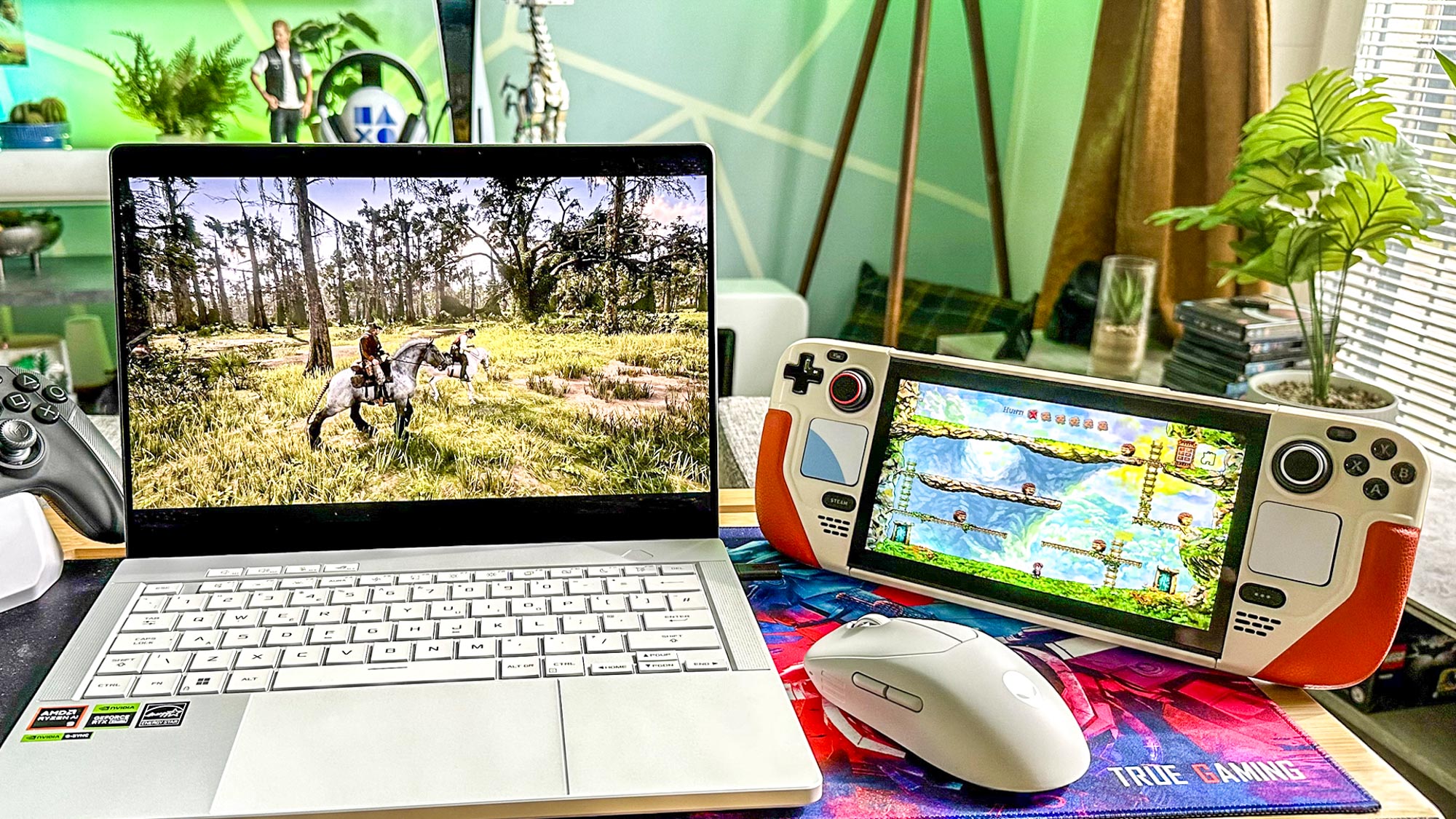
As the gaming industry continues to evolve, the tools and technologies available for both gamers and game developers have significantly advanced. In 2025, the landscape of game editing software, gaming hardware, and overall gaming experience has reached new heights. This guide offers an in-depth look at the essential components of game editing and gaming technology, providing insights, expert opinions, and practical tips for enthusiasts and aspiring developers.
Table of Contents
-
Gaming Hardware
- 1.1 PCs
- 1.2 Consoles
- 1.3 Laptops
- 1.4 Monitors
- 1.5 Keyboards and Mice
- 1.6 Headsets
-
Gaming Technologies
- 2.1 Ray Tracing
- 2.2 DLSS (Deep Learning Super Sampling)
- 2.3 Virtual Reality (VR)
- 2.4 Cloud Gaming
-
Performance Optimization
- 3.1 Increasing FPS
- 3.2 Overclocking
- 3.3 Cooling Solutions
-
Game Streaming Platforms and Equipment
- 4.1 Capture Cards
- 4.2 Stream Decks
- 4.3 Platforms
-
Esports and Competitive Gaming
- 5.1 The Current Landscape
- 5.2 Tools for Esports Enthusiasts
-
Budget vs. High-end Builds
- 6.1 Building a Budget Gaming PC
- 6.2 High-End Gaming Setups
-
Tips for PC and Console Gaming Enthusiasts
- 7.1 Best Practices
- 7.2 Community Insights
1. Gaming Hardware
1.1 PCs
Custom Builds vs. Pre-built
In 2025, the debate between custom-built PCs and pre-built systems continues. Custom builds allow for greater flexibility and personalization. Enthusiasts can choose specific components to suit their needs, such as powerful GPUs for rendering or high RAM for multitasking.
Case Study: The Rise of Custom Builds
Consider the case of Alex, a game developer who opted for a custom build. He invested in an AMD Ryzen 9 7950X processor, an NVIDIA GeForce RTX 4090 GPU, and 64GB of DDR5 RAM. This setup allowed him to run resource-intensive game engines like Unreal Engine 5 seamlessly.
Recommended Components
- CPU: AMD Ryzen 9 7950X or Intel Core i9-13900K
- GPU: NVIDIA GeForce RTX 4090 or AMD Radeon RX 7900 XT
- RAM: 32GB or 64GB DDR5
- Storage: 2TB NVMe SSD for fast loading times
1.2 Consoles
Next-Gen Consoles
2025 sees the continued dominance of PlayStation 5 and Xbox Series X, both offering stellar performance and exclusive titles. With their advanced hardware, these consoles support ray tracing, 4K gaming, and fast loading times.
Expert Insight
According to gaming analyst Dr. Emily Chen, “The integration of SSDs in consoles has significantly reduced load times, making for a smoother gaming experience.”
1.3 Laptops
Gaming Laptops
Advancements in cooling technology and graphics capabilities have made gaming laptops more powerful than ever. Options like the ASUS ROG Zephyrus G14 and Razer Blade 15 are ideal for both gaming and game development on the go.
Example: A Developer’s Dream
Game developer Sam uses a Razer Blade 15 equipped with an Intel Core i7 processor and RTX 4070 GPU. This combination allows him to develop and test games without being tethered to a desktop setup.
1.4 Monitors
High Refresh Rate Displays
The introduction of 240Hz and even 360Hz monitors has changed the game for competitive players. Monitors like the ASUS ROG Swift and Dell Alienware series offer ultra-fast refresh rates and low response times.
Recommendation:
- Resolution: Aim for 1440p or 4K for stunning visuals.
- Refresh Rate: 240Hz or higher for competitive gaming.
1.5 Keyboards and Mice
Mechanical vs. Membrane
Mechanical keyboards dominate due to their tactile feedback and durability. Brands like Corsair and SteelSeries continue to innovate with programmable keys and customizable RGB lighting.
Mouse Choices
High-DPI mice are essential for precision in competitive gaming. The Logitech G Pro X Superlight and Razer Viper Ultimate are top contenders, offering lightweight designs and customizable buttons.
1.6 Headsets
Immersive Audio
In-game sound can significantly enhance the gaming experience. Headsets like the SteelSeries Arctis Pro and HyperX Cloud II provide immersive soundscapes and comfort for long gaming sessions.
Tip:
Look for headsets with surround sound capabilities for a competitive advantage.
2. Gaming Technologies
2.1 Ray Tracing
Realistic Lighting and Shadows
Ray tracing technology has revolutionized graphics in gaming, providing realistic lighting and shadows. Titles like “Cyberpunk 2077” and “Minecraft” have showcased its capabilities, making games visually breathtaking.
Expert Insight
Graphics engineer Tom Baker states that “Ray tracing can significantly impact performance; however, technologies like DLSS help mitigate this.”
2.2 DLSS (Deep Learning Super Sampling)
Performance Boost
DLSS enhances frame rates by rendering fewer pixels and utilizing AI to upscale images. This technology allows gamers to experience high-resolution visuals without sacrificing performance.
Case Study: DLSS Implementation
In a test of “Control,” enabling DLSS increased FPS from 45 to 75 without noticeable loss in visual fidelity.
2.3 Virtual Reality (VR)
Immersive Experiences
VR technology has made leaps forward with hardware like the Oculus Quest 3 and Valve Index. These devices offer immersive experiences, making games feel more interactive.
Example: VR in Game Development
Game developer Jane has created a VR puzzle game that utilizes hand-tracking technology, enhancing user interaction and engagement.
2.4 Cloud Gaming
Gaming Anywhere
Platforms like NVIDIA GeForce NOW and Xbox Cloud Gaming have made it easier for gamers to access high-quality games without the need for high-end hardware. This technology democratizes gaming, allowing more people to participate.
3. Performance Optimization
3.1 Increasing FPS
Game Settings Tweaks
Adjusting in-game settings, such as lowering shadow quality or turning off anti-aliasing, can significantly increase FPS.
Step-by-Step Optimization:
- Open Game Settings: Navigate to the graphical settings menu.
- Adjust Resolution: Lower from 4K to 1080p to improve performance.
- Texture Quality: Set to medium or low as needed.
- V-Sync: Disable to reduce input lag.
3.2 Overclocking
Pushing the Limits
Overclocking can provide a performance boost but comes with risks like overheating. Use software like MSI Afterburner or Intel XTU for safe overclocking.
Step-by-Step Overclocking Guide:
- Download Overclocking Software: Install MSI Afterburner.
- Increase GPU Clock Speed: Gradually increase and test for stability.
- Monitor Temperatures: Ensure temperatures remain safe (under 85°C).
- Stress Test: Use 3DMark to benchmark performance.
3.3 Cooling Solutions
Keeping it Cool
Efficient cooling is essential for maintaining performance. Consider liquid cooling systems for high-end builds or high-CFM fans for adequate airflow.
Recommendations:
- Air Coolers: Noctua NH-D15 for air cooling.
- Liquid Coolers: Corsair H100i for effective cooling.
4. Game Streaming Platforms and Equipment
4.1 Capture Cards
Streaming Essentials
Capture cards are essential for streamers using consoles or wanting high-quality streams from their PCs. The Elgato HD60 S+ and AVerMedia Live Gamer series are popular choices.
Tip:
Look for capture cards that support 4K passthrough to future-proof your setup.
4.2 Stream Decks
Streamlining Broadcasting
Stream decks like the Elgato Stream Deck allow for customizable buttons to control streaming software, making it easier to switch scenes or activate sound effects.
4.3 Platforms
Best Platforms for Streaming
Platforms like Twitch, YouTube Gaming, and Facebook Gaming offer unique features. Twitch remains the leader due to its community and monetization options.
Expert Insight
Streaming expert Sarah Lin notes, “Monetizing streams effectively requires engagement with your audience and leveraging platform tools.”
5. Esports and Competitive Gaming
5.1 The Current Landscape
Growth of Esports
Esports has exploded in popularity, with tournaments offering multi-million dollar prize pools. Games like “League of Legends,” “Dota 2,” and “Valorant” dominate competitive play.
5.2 Tools for Esports Enthusiasts
Essential Gear for Competitors
- High-DPI Mice: Precision is key; look for mice with adjustable DPI settings.
- Gaming Monitors: Low response time (1ms) monitors can make a significant difference.
6. Budget vs. High-end Builds
6.1 Building a Budget Gaming PC
Affordable Components
For gamers on a budget, consider components that offer the best performance-to-price ratio.
Example Build:
- CPU: AMD Ryzen 5 5600X
- GPU: NVIDIA GTX 1660 Super
- RAM: 16GB DDR4
- Storage: 500GB SSD
Cost Estimate: ~$800
6.2 High-End Gaming Setups
Investing in Performance
For high-end setups, the sky’s the limit. Consider components that maximize performance and visual fidelity.
Example Build:
- CPU: Intel Core i9-13900K
- GPU: NVIDIA RTX 4090
- RAM: 64GB DDR5
- Storage: 2TB NVMe SSD
Cost Estimate: ~$3,200
7. Tips for PC and Console Gaming Enthusiasts
7.1 Best Practices
Maintain Your Hardware
Regular maintenance, such as cleaning dust from components and updating drivers, is essential for longevity and performance.
7.2 Community Insights
Engage with Fellow Gamers
Join gaming forums, Discord groups, or Reddit communities to share experiences and gain insights into the latest trends and technologies.
Conclusion
The gaming landscape in 2025 offers an exciting array of tools, technologies, and hardware for enthusiasts and developers alike. Whether you’re building a powerful gaming PC, exploring the latest in cloud gaming, or diving into the competitive esports scene, staying informed and engaged will enhance your gaming experience. By leveraging the insights, case studies, and expert recommendations outlined in this guide, you can navigate the dynamic world of gaming with confidence and creativity.
As you embark on your gaming journey, remember that the community is here to support you. Happy gaming!