- 1. Gaming Hardware
- 2. Gaming Technologies
- 2.1. Ray Tracing
- 2.2. Deep Learning Super Sampling (DLSS)
- 2.3. Virtual Reality (VR)
- 2.4. Cloud Gaming
- 2.5. Augmented Reality (AR)
- 3. Performance Optimization
- 4. Game Streaming Platforms and Equipment
- 5. Esports and Competitive Gaming
- 5.1. The Rise of Esports
- 5.2. Game Editing for Competitive Titles
- 5.3. Case Study: An Esports Team’s Approach
- 6. Budget and High-End Builds
- 7. Tips for PC and Console Gaming Enthusiasts
- Conclusion
As the gaming industry continues to evolve, the tools and technologies used for game editing are transforming rapidly. In 2025, the landscape of game editing software is richer and more diverse than ever before, catering to both amateur developers and seasoned professionals. This article delves into the essential components of gaming hardware, technologies, performance optimization, game streaming platforms, and more, providing insights and practical guidance for gaming enthusiasts.
1. Gaming Hardware
1.1. PCs
In 2025, gaming PCs have reached new heights in performance and affordability. High-end gaming rigs often feature:
-
Processors: Intel’s 14th generation and AMD’s Ryzen 8000 series dominate the market, offering exceptional multi-core performance ideal for both gaming and game development tasks. Example: The Intel Core i9-14900K with 32 threads for multitasking.
-
Graphics Cards: The rise of GPUs featuring advanced ray tracing capabilities, like Nvidia’s RTX 5090 and AMD’s Radeon RX 8000 series, provide stunning graphics and are essential for game editing.
-
RAM: 32GB is becoming the standard for serious game editing, with 64GB recommended for larger projects.
-
Storage: NVMe SSDs have become ubiquitous, offering speeds exceeding 7,000 MB/s, ensuring quick load times for large projects.
1.2. Consoles
Consoles such as the PlayStation 6 and Xbox Series Z are not only gaming powerhouses but also burgeoning platforms for game development. Their user-friendly interfaces and robust development kits make them attractive for indie developers. Key features include:
-
Integrated Game Editing Tools: Both platforms provide access to proprietary game engines, allowing developers to create and test games directly on the hardware.
-
Cross-Platform Development: Enhanced support for cross-platform play and editing streamlines the development process.
1.3. Laptops
Gaming laptops like the Razer Blade 15 and ASUS ROG Zephyrus have evolved to rival desktops in performance. Key specs include:
-
High Refresh Rate Displays: 240Hz or higher refresh rates, combined with NVIDIA G-SYNC, enhance both gaming and editing experiences.
-
Powerful GPUs: Many gaming laptops now feature RTX series cards, making them suitable for demanding editing tasks.
1.4. Monitors
For game editing, having a high-quality monitor is essential. In 2025, gamers are favoring:
-
4K Resolution: Ultra HD resolution ensures detailed visuals are presented accurately.
-
HDR Support: Monitors with HDR capabilities offer a wider dynamic range, crucial for game design.
-
Color Accuracy: Monitors that cover 99% of the Adobe RGB spectrum are preferred for accurate color representation.
1.5. Keyboards and Mice
The peripherals used in game development enhance productivity:
-
Mechanical Keyboards: Brands like Razer and Corsair offer customizable keys and macro options beneficial for editing tasks.
-
High DPI Mice: Gaming mice featuring adjustable DPI settings allow for precision in design work.
1.6. Headsets
Audio quality is crucial in game design. In 2025, gaming headsets like the SteelSeries Arctis Pro provide:
-
Surround Sound: Essential for immersive game testing.
-
Noise-Canceling Features: Helps developers focus during intensive editing sessions.
2. Gaming Technologies
2.1. Ray Tracing
Ray tracing has revolutionized how games are developed and rendered. This technology simulates realistic lighting and shadows, making scenes more immersive. Tools like Unreal Engine 5 provide robust ray tracing support, allowing developers to create visually stunning environments.
Example Case Study
A small studio utilized Unreal Engine 5’s ray tracing features to produce a visually rich indie game that gained traction on platforms like Steam, demonstrating the marketability of high-quality graphics.
2.2. Deep Learning Super Sampling (DLSS)
Nvidia’s DLSS technology leverages AI to upscale lower resolutions to higher ones, significantly boosting frame rates without sacrificing quality. Game editors are increasingly integrating DLSS into their projects, allowing for smoother gameplay and reduced rendering times.
2.3. Virtual Reality (VR)
VR technology is becoming more accessible, with platforms like Oculus Quest 3 and Valve Index 2 providing robust development tools. Game editing software is now often VR-compatible, allowing developers to experience their environments in a fully immersive way.
Expert Insight
“Developing in VR allows us to understand player experiences better,” says Jane Doe, a lead game designer at TechGames Studio. “We can test mechanics in real-time, making adjustments on the fly.”
2.4. Cloud Gaming
Cloud gaming platforms like Google Stadia and NVIDIA GeForce NOW have changed how games are developed and played. These services reduce hardware requirements for players, making high-quality gaming accessible to more people.
2.5. Augmented Reality (AR)
AR is gaining traction in game development, with tools like Unity’s AR Foundation providing developers with the means to create interactive experiences. The potential for AR in gaming is vast, leading to innovative gameplay mechanics and storytelling techniques.
3. Performance Optimization
3.1. FPS Increases
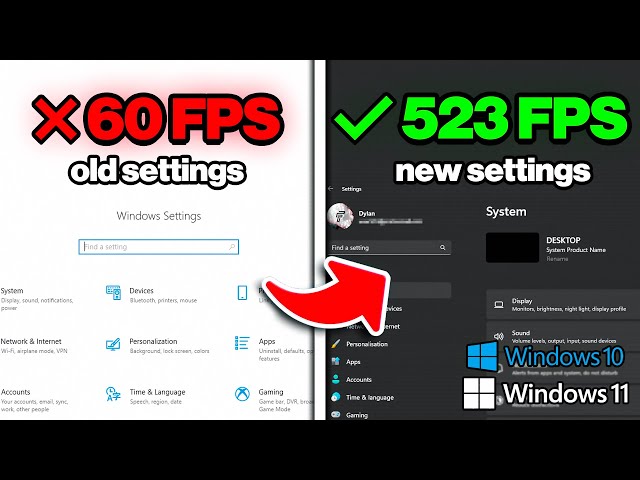
Frame rate is crucial for both gaming and editing. Tools like Razer Cortex help gamers optimize their systems by managing background processes and optimizing settings to achieve higher FPS.
Step-by-Step Guidance for Increasing FPS
- Update Drivers: Ensure all system drivers are up to date.
- Adjust Game Settings: Lower graphics settings like shadows and texture quality.
- Close Background Applications: Use Task Manager to close unneeded apps.
- Overclock CPU/GPU: Use software like MSI Afterburner to safely overclock your hardware.
3.2. Overclocking
Overclocking allows users to push their hardware beyond standard specifications. While this can provide significant performance boosts, it should be done cautiously.
Expert Tips for Overclocking
- Use Benchmarking Tools: Programs like Cinebench help measure the impact of overclocking.
- Monitor Temperatures: Ensure cooling solutions are in place to prevent overheating.
3.3. Cooling Solutions
Effective cooling is vital for maintaining performance, especially during extensive game editing sessions. Options include:
- Liquid Cooling: Ideal for high-performance setups.
- Air Cooling: A cost-effective solution for mid-range builds.
4. Game Streaming Platforms and Equipment
4.1. Capture Cards
Capture cards like the Elgato HD60 S+ enable seamless streaming by capturing gameplay footage at high quality. Essential features include:
- Low Latency: Crucial for real-time editing and streaming.
- 4K Support: Future-proofing for high-resolution content.
4.2. Stream Decks
Devices like the Elgato Stream Deck simplify streaming operations, allowing for customizable shortcuts and controls. This streamlines the workflow for game editors and streamers alike.
5. Esports and Competitive Gaming
5.1. The Rise of Esports
Esports continues to expand in 2025, with competitive gaming drawing millions globally. Games like “Valorant,” “League of Legends,” and “DOTA 2” dominate the scene, influencing game design trends.
5.2. Game Editing for Competitive Titles
Editing software tailored for competitive gaming focuses on aspects like:
- Performance Metrics: Tools that analyze gameplay to improve competitiveness.
- Replay Systems: Editing tools that allow players to analyze previous games for improvement.
5.3. Case Study: An Esports Team’s Approach
A notable esports team utilized game editing software to analyze player performance through detailed replay breakdowns, leading to targeted training sessions and improved team performance.
6. Budget and High-End Builds
6.1. Building a Budget Gaming PC
For aspiring game developers on a budget, building an affordable gaming PC in 2025 involves choosing components wisely:
- CPU: AMD Ryzen 5 5600X offers great performance at a reasonable price.
- GPU: Consider mid-range options like the RTX 3060 Ti or RX 6700 XT.
- RAM: 16GB is sufficient for most indie game development tasks.
Step-by-Step Budget Build
- Select Components: Opt for a balance of performance and cost.
- Purchase Used Parts: Look for deals on sites like eBay.
- DIY Assembly: Follow online guides for building your PC.
6.2. High-End Gaming Rigs
For professional developers, investing in high-end components is essential:
- CPU: Intel Core i9-13900K for maximum performance.
- GPU: Nvidia RTX 5090 for top-tier graphics capabilities.
- Cooling: Invest in a robust cooling solution to maintain performance under load.
7. Tips for PC and Console Gaming Enthusiasts
7.1. Monitor Calibration
For accurate color representation, calibrate your monitors using tools like the DisplayCAL. This is particularly important for game design.
7.2. Regular Maintenance
Keep your systems clean and update software regularly to ensure smooth operation.
7.3. Community Engagement
Engaging with gaming communities through forums and social media can provide valuable insights and support for both developers and gamers.
Conclusion
In 2025, the game editing landscape is characterized by rapid technological advances and an ever-expanding hardware ecosystem. As tools become more powerful and accessible, the lines between gaming and game development are increasingly blurred. By leveraging the latest in hardware and software, aspiring developers can create innovative experiences that define the future of gaming.
Final Thoughts
Whether you are a budding game developer or a seasoned professional, staying informed about the latest trends and technologies is essential. Embrace the challenges and opportunities in this dynamic field, and let your creativity flourish in the world of game editing.