


How to Do It
Prerequisites
-
- Ensure your device is updated to Android 14 or 15. Check by going to Settings → System → System update.
-
- Backup your data to prevent loss. Use Settings → System → Backup for Android’s built-in backup solution.
-
- Understand that some features may vary by OEM skin, impacting availability across devices.
Step-by-Step Instructions
-
- To check your Android version, navigate to Settings → About phone → Software information and verify that you’re on Android 14 or 15.
-
- For casting to TV, ensure both your Android device and TV are connected to the same Wi-Fi network.
-
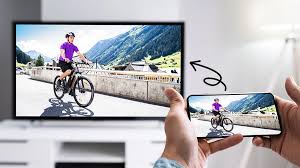
- Open the quick settings panel by swiping down from the top of the screen, then look for Cast or Screen mirroring.
-
- Tap Cast, select your TV from the list, and follow any on-screen prompts.
-
- To verify if it worked, check if your TV displays your device’s screen or the selected media.
Best Practices, Tips & Pitfalls
-
- Always ensure that both devices are on the same Wi-Fi network to avoid connectivity issues.
-
- Keep your Android and TV software updated to prevent compatibility problems.
-
- If casting fails, try restarting both your phone and TV to refresh their networks.
-
- Be aware of potential lag when casting high-resolution content; lowering the video quality can help.
-
- Consider using an HDMI adapter if you frequently experience issues with wireless casting.
-
- Check for any device-specific settings that may need to be adjusted, such as permissions for casting.
Alternatives & Comparisons
While casting is increasingly popular, several alternatives can be considered, especially depending on the specific device you own or your use cases. Here’s a brief comparison of popular apps and methods:
| Option | Best for | Trade-offs |
|---|---|---|
| Google Chromecast | Seamless streaming | Requires additional hardware |
| Miracast | Direct screen mirroring | Limited device compatibility |
| DLNA | Local media sharing | Setup complexity |
Key Takeaways
-
- Android 14 and 15 bring notable UX improvements that vary across OEMs.
-
- Familiarize yourself with your specific device’s UI for navigation and access to features.
-
- Regular updates and backups are crucial for maintaining functionality and data integrity.
-
- Explore alternatives to native casting for potentially better experiences based on your setup.
-
- Consider hardware solutions like Chromecast for enhanced performance.
FAQ
What are the main differences between Android 14 and 15?
Android 15 introduces enhanced privacy features, performance improvements, and a more refined user interface compared to Android 14, which focused on stability and minor enhancements.
How do OEM skins affect the casting experience?
OEM skins like Samsung One UI or MIUI may alter the settings and features available for casting, leading to variations in user experience across devices.
Can I cast without Wi-Fi?
Yes, some devices support direct wireless connections (like Miracast), allowing casting without a traditional Wi-Fi network, although performance may vary.
