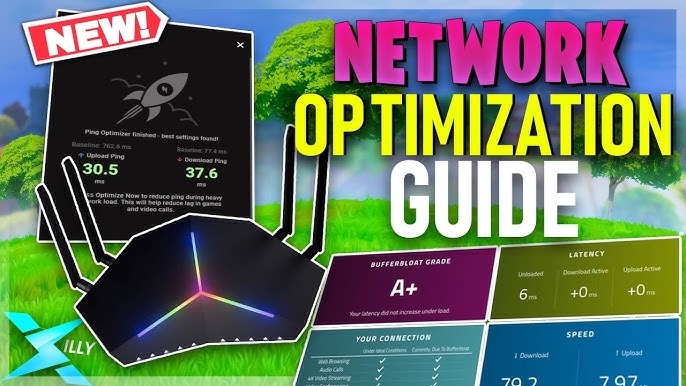
As gaming technology continues to evolve at an unprecedented pace, optimizing your gaming network has never been more crucial. Whether you’re a casual gamer or a competitive esports enthusiast, understanding hardware, technologies, performance optimization, and the gaming ecosystem can significantly enhance your experience. This comprehensive guide will delve into the myriad components of gaming network optimization, from hardware choices to emerging technologies, with detailed insights, step-by-step guidance, and expert advice.
1. Gaming Hardware
PCs
Choosing the Right Components:
The backbone of a gaming setup is often the PC. As of 2025, the specifications for a high-performance gaming PC include:
-
- CPU: Choose between the latest AMD Ryzen 7000 series or Intel’s 13th-gen or newer CPUs, with 8-16 cores for optimal multitasking and gaming performance.
-
- GPU: Look for NVIDIA’s RTX 5000 series or AMD’s RX 8000 series, offering support for ray tracing and deep learning technologies.
-
- RAM: 32GB DDR5 RAM is becoming the standard for high-end gaming, ensuring smooth performance during intensive tasks.
-
- Storage: M.2 NVMe SSDs (at least 1TB) are essential for quick load times and overall system responsiveness.
Consoles
Current Trends:
The landscape of consoles in 2025 is dominated by:
-
- PlayStation 6 and Xbox Series Z, both boasting powerful GPUs and support for 8K gaming.
-
- Features like cross-play and cloud integration enhance multiplayer experiences.
Laptops
Gaming Laptops:
For portability, gaming laptops should feature:
-
- High-refresh-rate displays (144Hz or higher).
-
- Dedicated GPUs like the NVIDIA RTX series.
-
- Advanced cooling systems to manage performance during long play sessions.
Monitors
Choosing the Right Display:
For optimal gaming experiences, consider features like:
-
- Refresh Rate: Aim for at least 144Hz; 240Hz is ideal for competitive gaming.
-
- Resolution: 1440p or 4K for stunning visuals, depending on your hardware capabilities.
-
- Response Time: A lower response time (1ms is ideal) minimizes ghosting.
Peripherals
Keyboards and Mice:
Invest in quality peripherals for a competitive edge:
-
- Keyboards: Mechanical keyboards with customizable RGB lighting and programmable keys are preferred.
-
- Mice: Look for high-DPI sensors (16000 DPI or higher) with customizable weights and programmable buttons.
Headsets:
For immersive audio experiences, choose:
-
- Headsets with surround sound capabilities.
-
- Wireless options for mobility, but ensure low latency.
2. Gaming Technologies
Ray Tracing
A New Standard:
Ray tracing simulates realistic lighting, shadows, and reflections, enhancing visual fidelity. Most latest GPUs support this feature, allowing games to offer unparalleled realism.
Deep Learning Super Sampling (DLSS)
Performance Boosting:
NVIDIA’s DLSS technology utilizes AI to upscale lower-resolution images effectively, improving FPS without sacrificing quality. Understanding how to enable and optimize DLSS in your games can significantly enhance performance.
Virtual Reality (VR)
Immersive Gameplay:
With advancements in VR headsets like the Meta Quest 3 and Valve Index 2, VR gaming is more accessible. Optimizing your VR setup involves:
-
- Ensuring a stable internet connection for online VR experiences.
-
- Using powerful GPUs to manage demanding VR applications.
Cloud Gaming
The Future of Gaming:
Platforms like NVIDIA GeForce Now and Xbox Cloud Gaming allow gamers to play AAA titles on lower-end hardware. To optimize cloud gaming:
-
- Use a wired connection for reduced latency.
-
- Select servers closest to your geographical location for minimal delay.
3. Performance Optimization
Increasing FPS
Simple Tweaks:
To achieve higher Frames Per Second (FPS), consider:
-
- Lowering in-game graphics settings.
-
- Disabling background applications.
-
- Adjusting resolution settings based on your hardware capabilities.
Overclocking
Maximizing Performance:
Overclocking can squeeze additional performance from your CPU and GPU. However, it requires:
-
- A robust cooling system to manage increased heat output.
-
- Software tools like MSI Afterburner for real-time adjustments and monitoring.
Cooling Solutions
Keeping Your System Cool:
High performance often leads to increased heat. Effective cooling methods include:
-
- Air Cooling: High-quality CPU and GPU coolers can dissipate heat effectively.
-
- Liquid Cooling: A more efficient option for high-performance builds, capable of maintaining lower temperatures under load.
4. Game Streaming Platforms and Equipment
Capture Cards
Stream Quality:
For content creators, capturing high-quality gameplay is essential. Popular options include:
-
- Elgato HD60 S+: For 1080p60 capture with low latency.
-
- AverMedia Live Gamer 4K: For capturing in 4K resolution.
Stream Decks
Efficiency in Streaming:
A Stream Deck (like the Elgato Stream Deck) can enhance your streaming setup, allowing quick access to commands and shortcuts, improving the overall streaming experience.
5. Esports and Competitive Gaming
Understanding the Scene
Growth and Opportunities:
Esports has exploded in popularity, creating lucrative career opportunities. Understanding game mechanics, strategies, and community engagement is crucial for aspiring players.
Building a Competitive Setup
Essential Gear:
Successful competitive gamers invest in high-performance gear:
-
- Monitor with a high refresh rate.
-
- Low-latency peripherals.
-
- Reliable and fast internet connections (minimum 100 Mbps download and 10 Mbps upload recommended).
6. Budget and High-End Builds
Best Components for Different Budgets
Budget Build (Under $800):
-
- CPU: AMD Ryzen 5 5600G
-
- GPU: NVIDIA GTX 1660 Super
-
- RAM: 16GB DDR4
-
- Storage: 500GB NVMe SSD
Mid-Range Build ($800 – $1500):
-
- CPU: AMD Ryzen 7 5800X
-
- GPU: NVIDIA RTX 3060
-
- RAM: 16GB DDR4
-
- Storage: 1TB NVMe SSD
High-End Build ($1500+):
-
- CPU: Intel Core i9-12900K
-
- GPU: NVIDIA RTX 4090
-
- RAM: 32GB DDR5
-
- Storage: 2TB NVMe SSD
7. Tips for PC and Console Gaming Enthusiasts
Network Optimization
Boosting Connectivity:
-
- Utilize a wired Ethernet connection whenever possible.
-
- Optimize your router settings (Quality of Service – QoS) to prioritize gaming traffic.
Game Settings Optimization
Maximizing Performance:
-
- Familiarize yourself with in-game settings to find a balance between performance and visuals.
-
- Use tools like NVIDIA GeForce Experience for optimal settings based on your hardware.
Advanced Techniques
Staying Ahead:
-
- Monitor your system’s performance using tools like MSI Afterburner or HWMonitor.
-
- Regularly update drivers for your GPU and other peripherals for optimal performance.
Conclusion
In 2025, the gaming landscape is richer and more complex than ever. By understanding the nuances of gaming hardware, technologies, performance optimization, and the streaming and competitive scenes, gamers can create personalized, optimized gaming experiences. As technology continues to advance, so should your approach to gaming optimization. Embrace these insights, invest wisely in your setup, and elevate your gaming to unprecedented heights.
