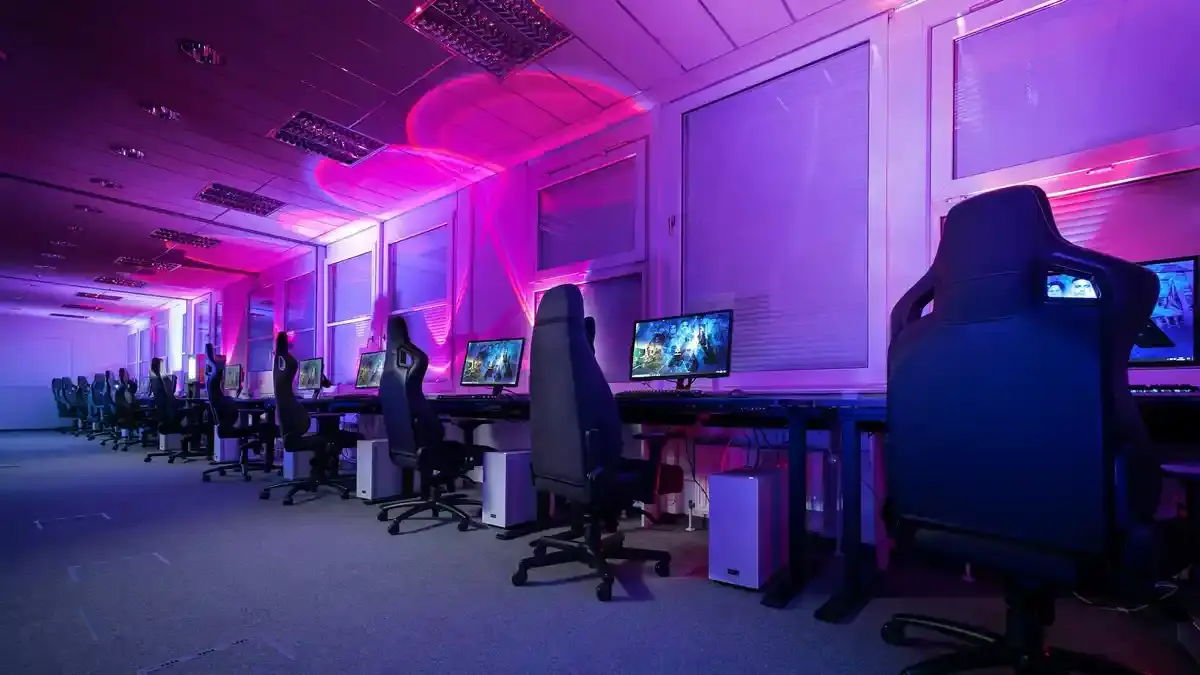
As we step into 2025, the gaming landscape continues to evolve at a breathtaking pace. With advancements in gaming hardware, technologies, and performance optimization, gaming monitors have become a pivotal component in delivering an immersive experience. This guide covers everything from essential gaming hardware to the latest technologies, performance optimization tips, and the growing realm of esports. Whether you’re a casual gamer or a competitive player, understanding these elements will help you choose the best gaming monitor for your needs.
1. Understanding Gaming Hardware
1.1 PCs
Components:
- CPU: For gaming, a high-performance CPU is essential. Models like the AMD Ryzen 9 7950X3D and Intel Core i9-13900K offer exceptional processing power for multitasking and gaming.
- GPU: The graphics card is the heart of gaming performance. The NVIDIA GeForce RTX 5090 and AMD Radeon RX 8000 series represent the cutting edge in graphics technology, supporting features like ray tracing and advanced upscaling technologies such as DLSS (Deep Learning Super Sampling).
Case Study:
A high-end gaming rig configured with an Intel i9-13900K and an RTX 5090 can run the latest titles at 4K resolution with settings maxed out while maintaining a smooth FPS. In contrast, a budget build with an AMD Ryzen 5 5600X and RTX 4060 may serve well for 1080p gaming.
1.2 Consoles
Current Generation:
The PlayStation 5 and Xbox Series X remain dominant in 2025, offering incredible performance and exclusive titles. Both support up to 120 FPS at 4K resolution.
Example:
Games like “Elden Ring” and “Starfield” utilize the advanced capabilities of these consoles, providing stunning visuals and engaging gameplay.
1.3 Laptops
Gaming laptops have closed the gap with desktops. Models like the Razer Blade 16 and ASUS ROG Zephyrus G14 now feature powerful GPUs alongside advanced cooling systems, making them ideal for gaming on the go.
1.4 Monitors
When selecting a gaming monitor, consider resolution, refresh rate, response time, and panel type. As of 2025, the best options include:
- 4K Monitors: Perfect for consoles and high-end PCs, offering stunning visuals.
- 1440p Monitors: A balance of performance and quality, particularly for competitive gaming.
- 1080p Monitors: Still viable for budget builds, focusing on high refresh rates (240Hz+).
1.5 Keyboards and Mice
Mechanical keyboards, such as the Corsair K100 and Razer Huntsman V2, with customizable RGB lighting and macro keys, provide tactile feedback for gamers. Mice like the Logitech G Pro X Superlight offer precision with low latency.
1.6 Headsets
High-quality audio enhances immersion. Look for headsets with surround sound capabilities and noise cancellation, such as the SteelSeries Arctis Pro or the HyperX Cloud II.
2. Gaming Technologies
2.1 Ray Tracing
Ray tracing simulates realistic lighting and shadows. Supported by next-gen GPUs, it drastically enhances visual fidelity. Games like “Cyberpunk 2077” showcase this technology.
2.2 DLSS
NVIDIA’s DLSS uses AI to upscale lower-resolution images for higher-quality output without the performance hit. It’s a game-changer for maintaining high FPS in graphically intensive games.
2.3 Virtual Reality (VR)
VR gaming continues to gain traction with devices like the Meta Quest 3 and Valve Index. These systems allow gamers to fully immerse themselves in virtual worlds, providing an unparalleled experience.
2.4 Cloud Gaming
Platforms like NVIDIA GeForce NOW and Xbox Cloud Gaming allow players to stream games directly, reducing the need for high-end hardware. This democratizes gaming but requires a stable internet connection.
3. Performance Optimization
3.1 Increases in FPS
To maximize FPS, consider the following:
- Monitor Refresh Rate: Invest in monitors that support higher refresh rates (144Hz, 240Hz).
- Graphics Settings: Tweak game settings for optimal performance. Lowering shadow quality or disabling anti-aliasing can provide significant FPS increases.
3.2 Overclocking
Overclocking your CPU and GPU can yield performance boosts. Ensure you have adequate cooling solutions to prevent overheating.
Step-by-Step Overclocking:
- Access BIOS/UEFI: Restart your PC and enter BIOS settings.
- Adjust Multiplier/Clock Speed: Gradually increase the CPU multiplier.
- Stability Testing: Use tools like Prime95 and FurMark to test stability.
- Monitor Temperatures: Ensure temperatures remain within safe limits.
3.3 Cooling Solutions
Effective cooling is vital for high-performance gaming rigs. Options include:
- Air Coolers: Typically quieter and less expensive.
- Liquid Cooling: Offers superior cooling performance, particularly for overclocked systems.
4. Game Streaming Platforms and Equipment
4.1 Capture Cards
Capture cards like the Elgato HD60 S+ or AVerMedia Live Gamer 4K are essential for streamers, allowing high-quality capture of gameplay from consoles or PCs.
4.2 Stream Decks
Devices like the Elgato Stream Deck streamline streaming by allowing quick access to customizable commands, enhancing the overall streaming experience.
5. Esports and Competitive Gaming Scenes
5.1 Understanding Esports
Esports has exploded in popularity, with games like “League of Legends,” “Dota 2,” and “Valorant” leading the charge. Professional tournaments often have prize pools in the millions, driven by sponsorships and audience engagement.
Case Study:
The “International” Dota 2 tournament consistently attracts large viewership and sponsorships, highlighting the potential of esports as a career path.
5.2 Competitive Gaming Gear
For serious competitors, gear can make a difference:
- Monitors: Look for low input lag and high refresh rates. Brands like ASUS and Acer offer models tailored for esports.
- Keyboards and Mice: High-DPI mice and mechanical keyboards are preferred for their responsiveness.
6. Budget and High-End Builds
6.1 Budget Builds
A budget build can still deliver a solid gaming experience. Components to consider include:
- CPU: AMD Ryzen 5 5600X
- GPU: NVIDIA GTX 1660 Super
- RAM: 16GB DDR4
- Monitor: 1080p, 144Hz display
6.2 High-End Builds
For those willing to invest in top-tier performance:
- CPU: Intel Core i9-13900K or AMD Ryzen 9 7950X3D
- GPU: NVIDIA RTX 5090
- RAM: 32GB DDR5
- Monitor: 4K, 240Hz G-Sync or FreeSync display
7. Tips for PC and Console Gaming Enthusiasts
7.1 Choose the Right Monitor
- For FPS Games: Look for monitors with fast response times and high refresh rates.
- For RPGs or Single-Player Games: A 4K monitor enhances visual fidelity.
7.2 Optimize Settings
- Graphics Settings: Balance between quality and performance based on your hardware.
- Display Settings: Ensure you’re using the native resolution of your monitor.
7.3 Regular Maintenance
Keep your hardware clean and dust-free. Regularly update drivers and software for optimal performance.
7.4 Join Communities
Engage with online platforms like Discord or Reddit to stay updated on trends, tips, and community insights.
Conclusion
As we move through 2025, the gaming world continues to evolve with cutting-edge hardware, advanced technologies, and a burgeoning competitive scene. Whether you’re a casual gamer looking for an enjoyable experience or a seasoned pro aiming for the top, understanding these elements will empower you to make informed decisions. Investing in the right monitor is not just about the specs; it’s about enhancing your entire gaming journey. Explore, experiment, and most importantly, enjoy the thrilling world of gaming!